Characterization
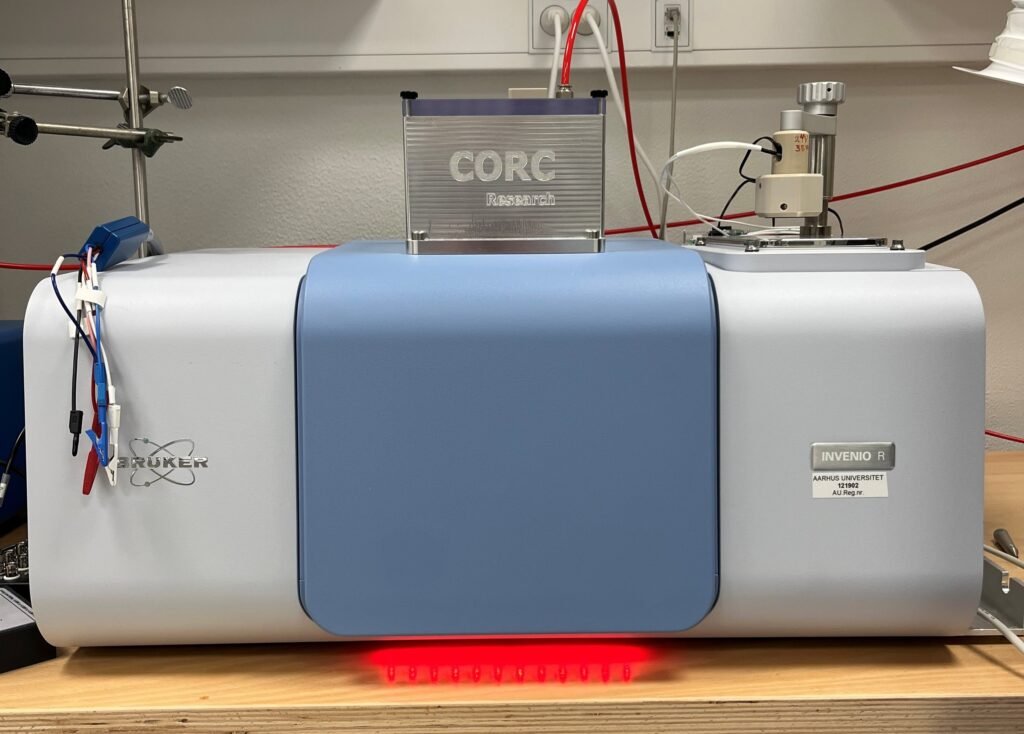
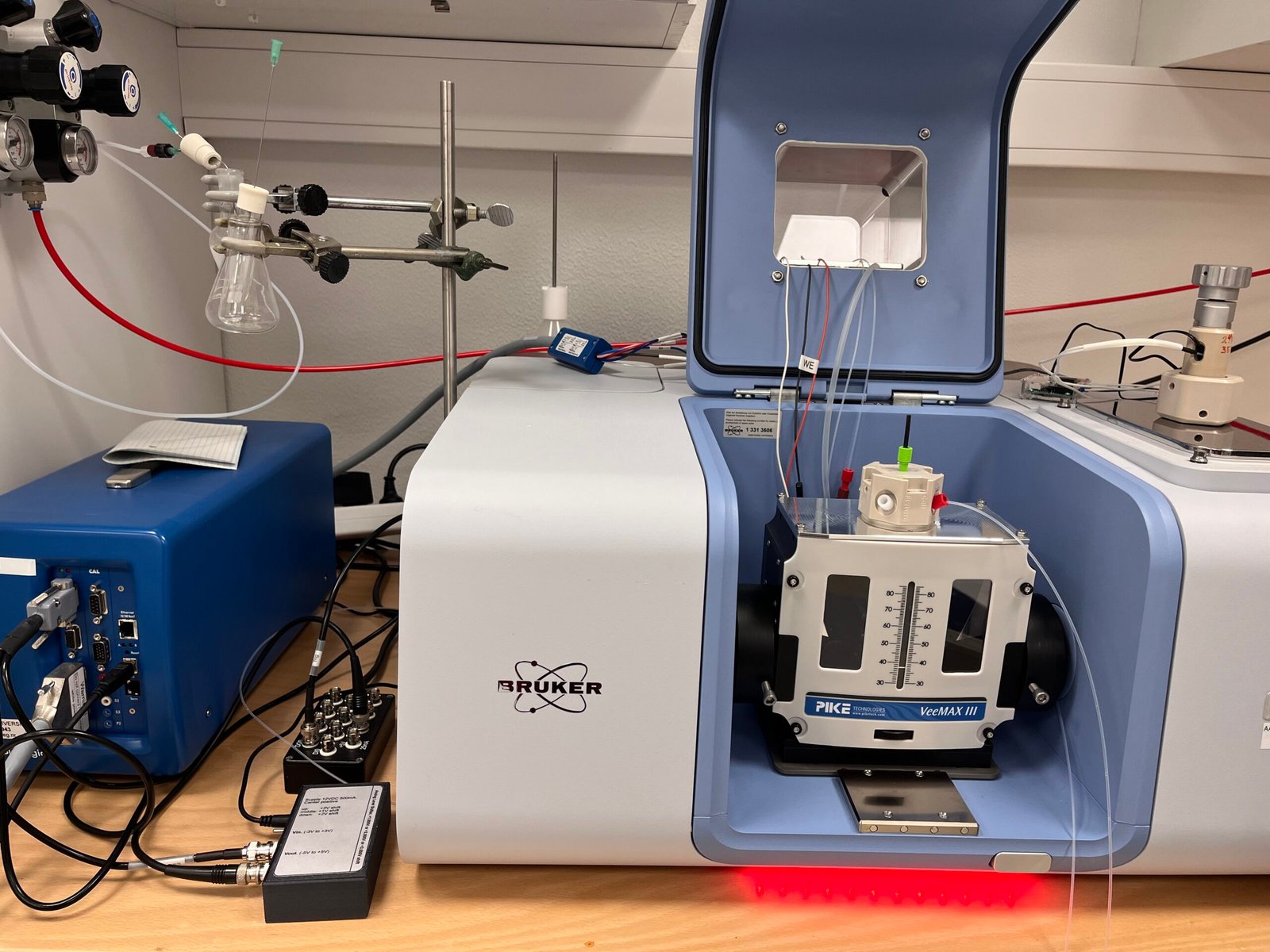
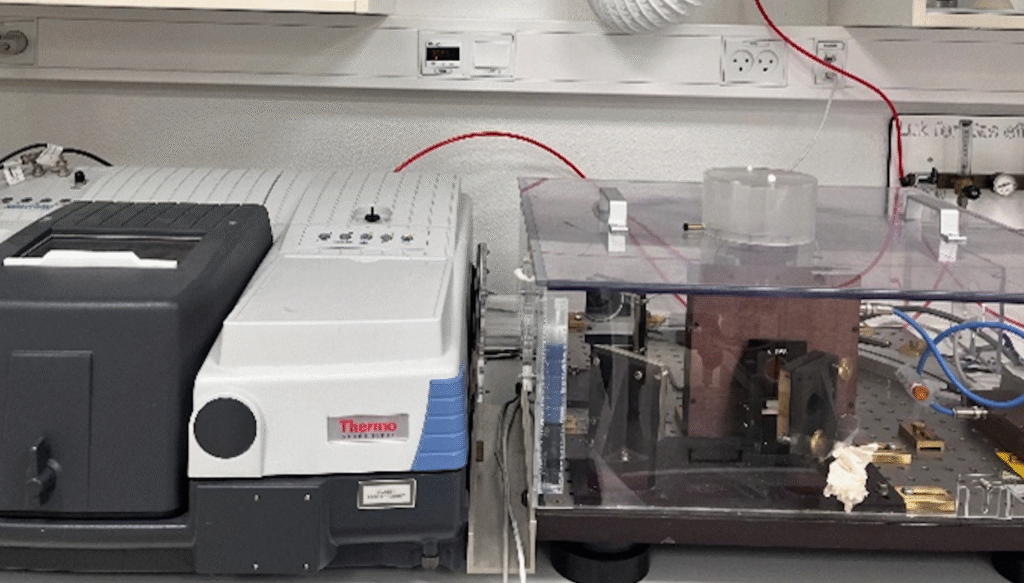
Fourier-transform infrared spectrometer (FT-IR, Bruker Invenio R)
This instrument provides high-resolution FTIR analysis for identifying molecular vibrations and functional groups in solid, liquid, and gaseous samples. It is used to monitor catalyst structures, surface species, and reaction intermediates relevant to electrocatalytic processes.
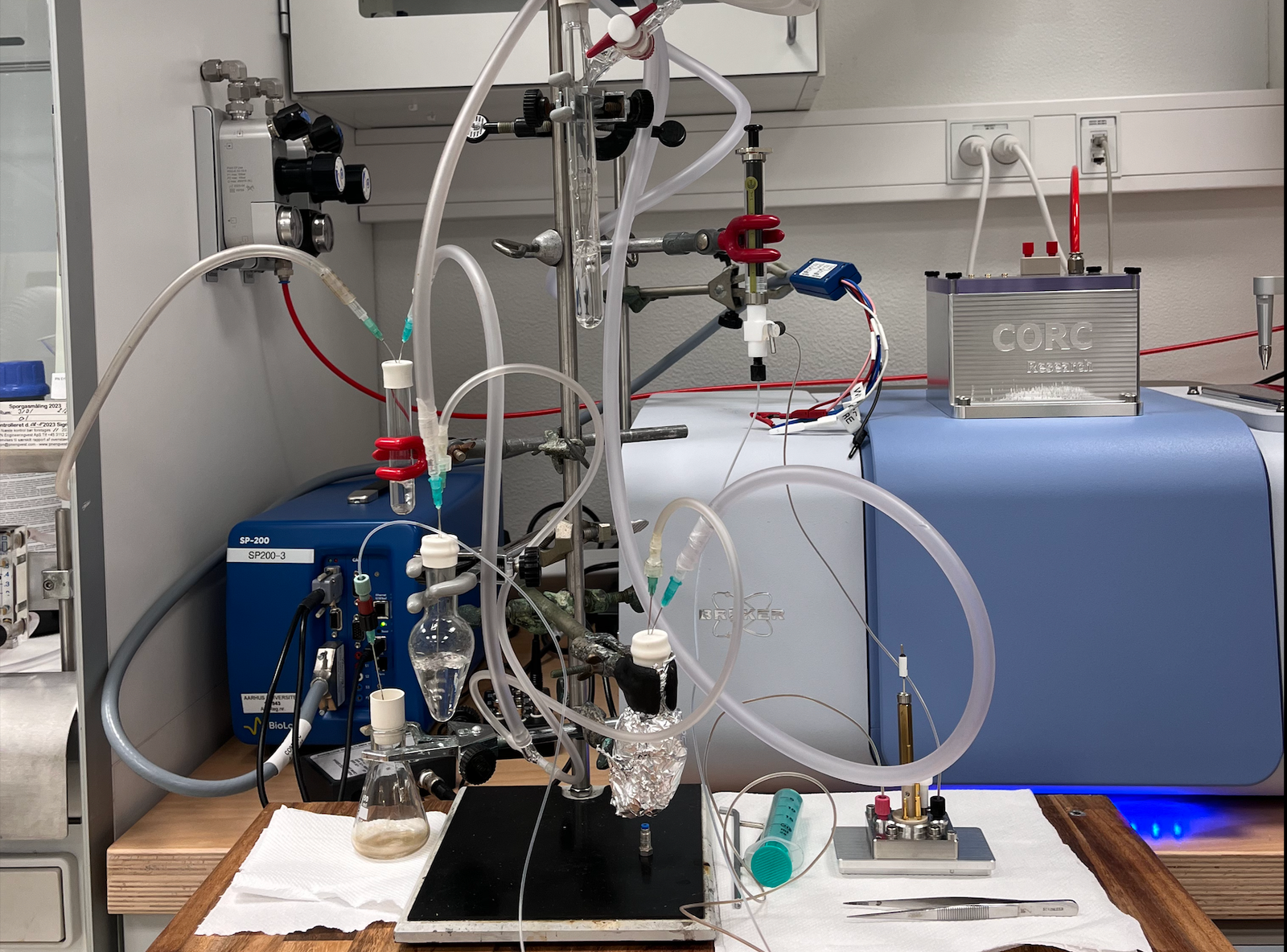
Time resolved spectroscopy (TRS), IR-SEC, or ATR-SEIRAS.
TRS captures dynamic changes in molecular vibrations over time, providing insight into the formation and decay of reaction intermediates. This technique can be used for IR-SEC or ATR-SEIRAS but requires synchronization with the electrochemical workstation (Biologic), enabling real-time infrared monitoring of homogeneous or interfacial species during electrochemical reactions, and providing insight into transient intermediates and solution-phase transformations.


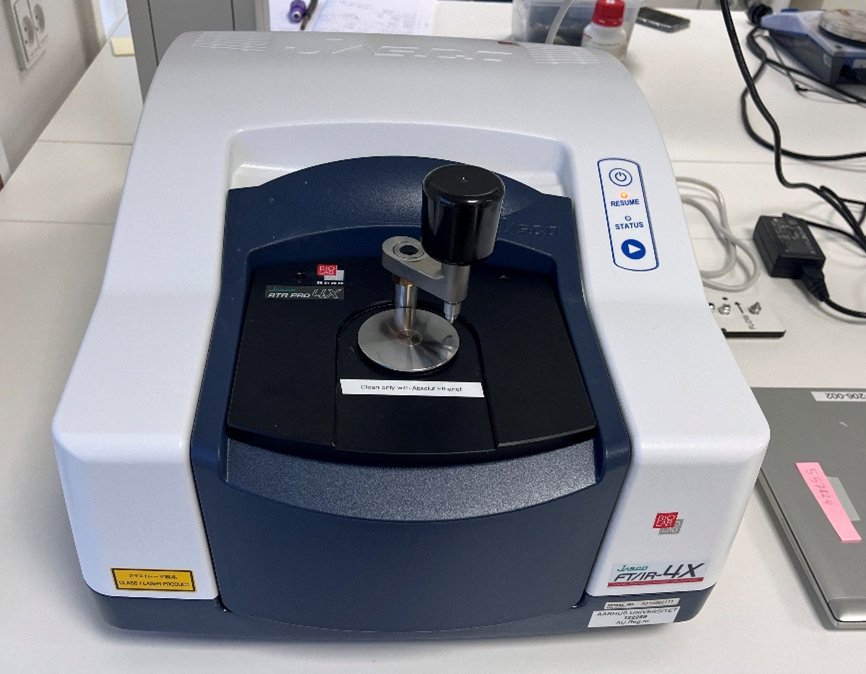
Routine ATR-IR (JASCO, FT/IR-4X)
This instrument employs attenuated total reflection (ATR) for rapid and non-destructive FTIR measurements of solids, liquids, and thin films. It is routinely used to characterize surface chemistry of catalysts and to compare samples before and after reactions. Currently, it is regularly used to analyze the synthesized samples in our lab.
Polarization Modulation Infrared Reflection-Absorption Spectroscopy (PM-IRRAS, Nicolet 6700 FT-IR)
PM-IRRAS employs rapid modulation of light polarisation to enhance surface specificity and suppress background signals from the surface. This technique offers improved signal-to-noise performance, enabling detection of low-coverage adsorbates and subtle changes in coordination environments. It is useful for characterizing thin surface films (>1 nm).
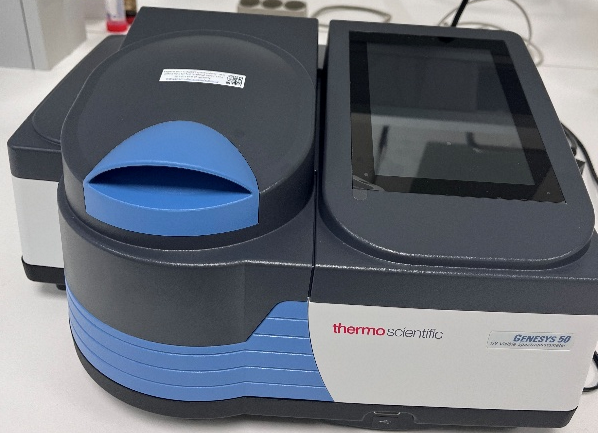
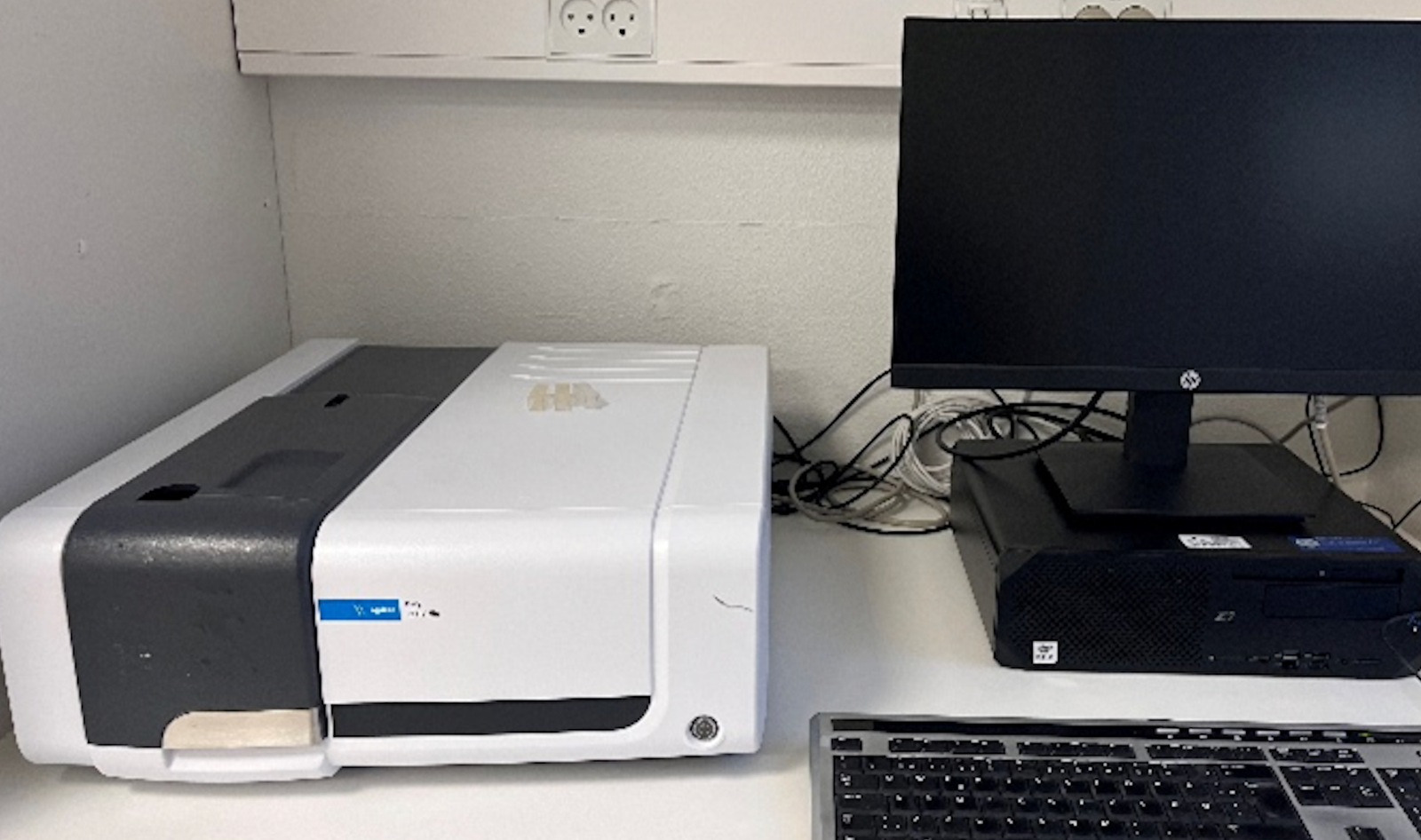
UV–vis spectroscopy (Agilent Cary 60, Thermo scientific Genesys 50)
UV–vis spectroscopy measures the absorption of ultraviolet and visible light by molecule. It is mainly used to determine concentration (quantitative analysis), to identify the absorption feature of molecules, and monitor the reaction process by tracking the absorbance over time.


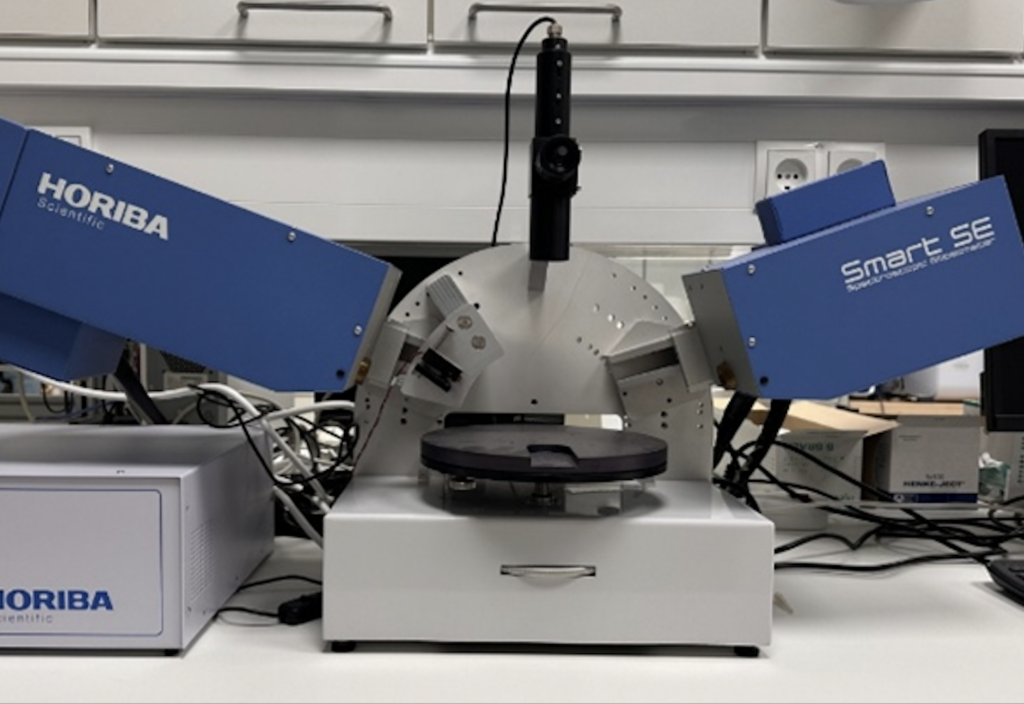
Ellipsometer
An ellipsometer is an optical instrument that measures the change in the polarization state of light after it reflects off a sample to determine the thickness and optical properties of thin films.
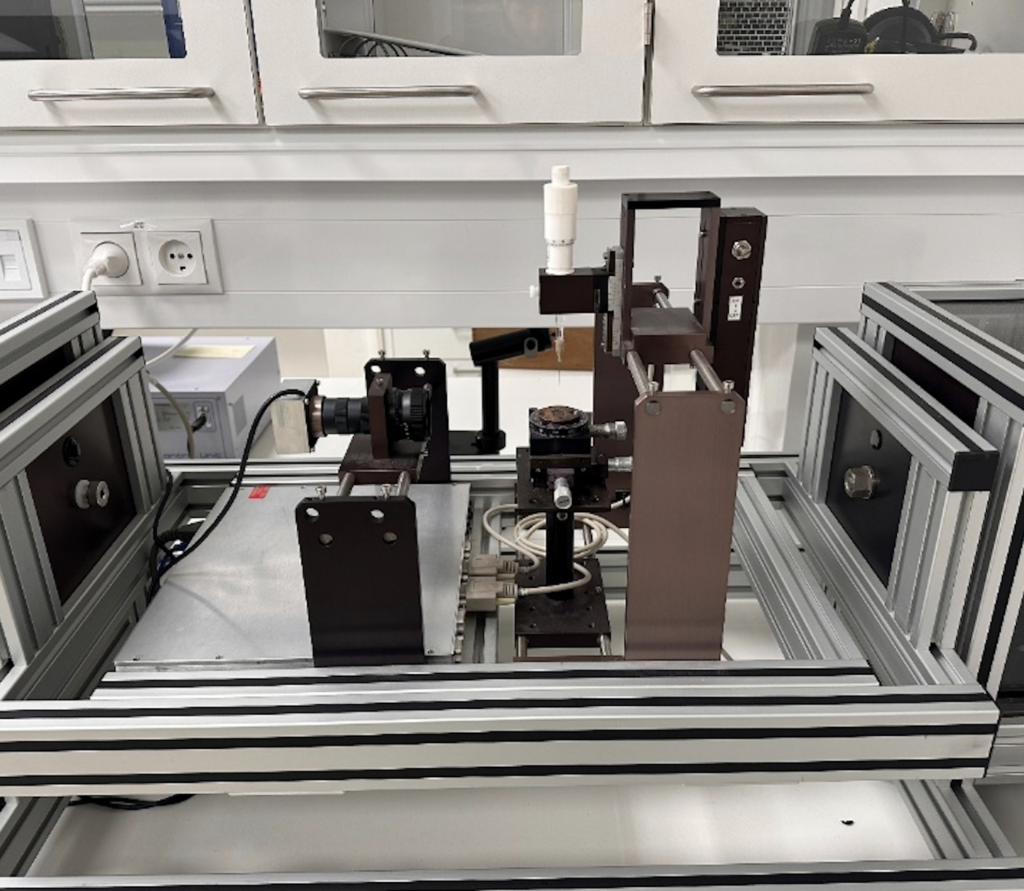
Contact angle machine
A contact angle is the angle formed where a liquid, solid, and gas meet, quantifying how well a liquid “wets” or spreads on a solid surface, indicating properties like hydrophilicity (low angle, good wetting) or hydrophobicity (high angle, poor wetting). Measured between 0° (complete wetting) and 180° (no wetting), it results from the balance of adhesive (liquid-solid) and cohesive (liquid-liquid) forces, crucial for various applications.

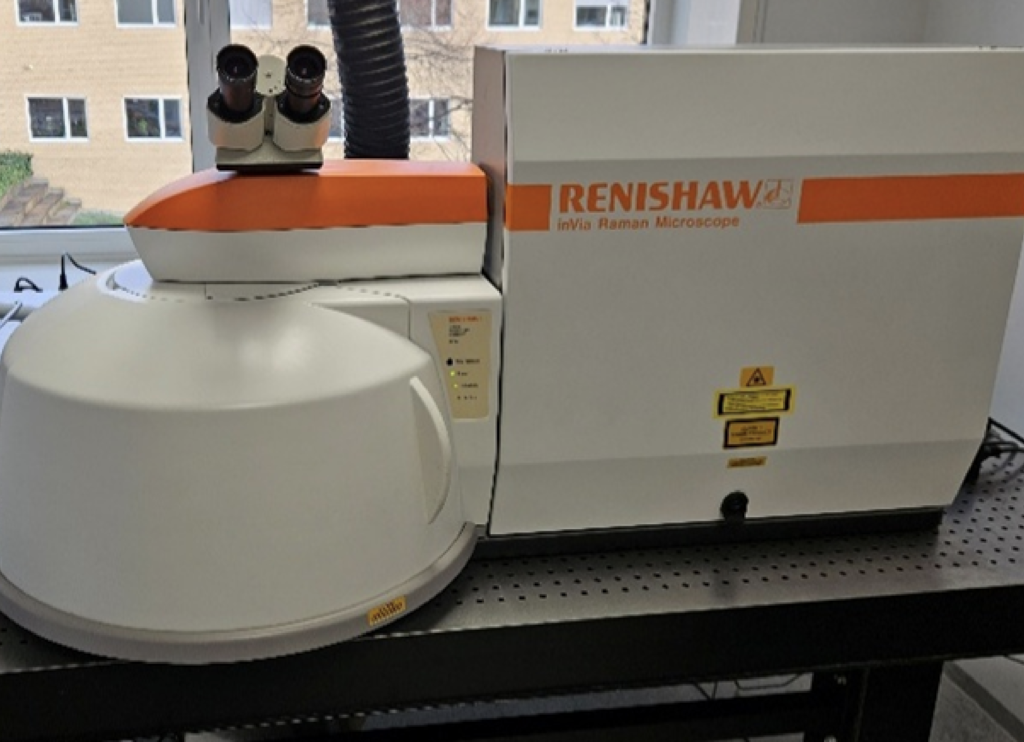
RAMAN: Renishaw in via 2014
This Raman spectrometer can be used for material analysis by detecting vibrational modes of compounds using laser light scattering. With 4 different lasers available (354 nm, 457 nm, 514 nm and 785 nm) Ra-man analysis of most samples is enabled. In addition to standard Raman measurements, in operando Ra-man measurements are possible with not only a Linkam THMS600 temperature control cell (-195 ℃ – 600 ℃) but also a custom-build electrochemical cell allowing for mechanistic insight during electrochemical measurements.
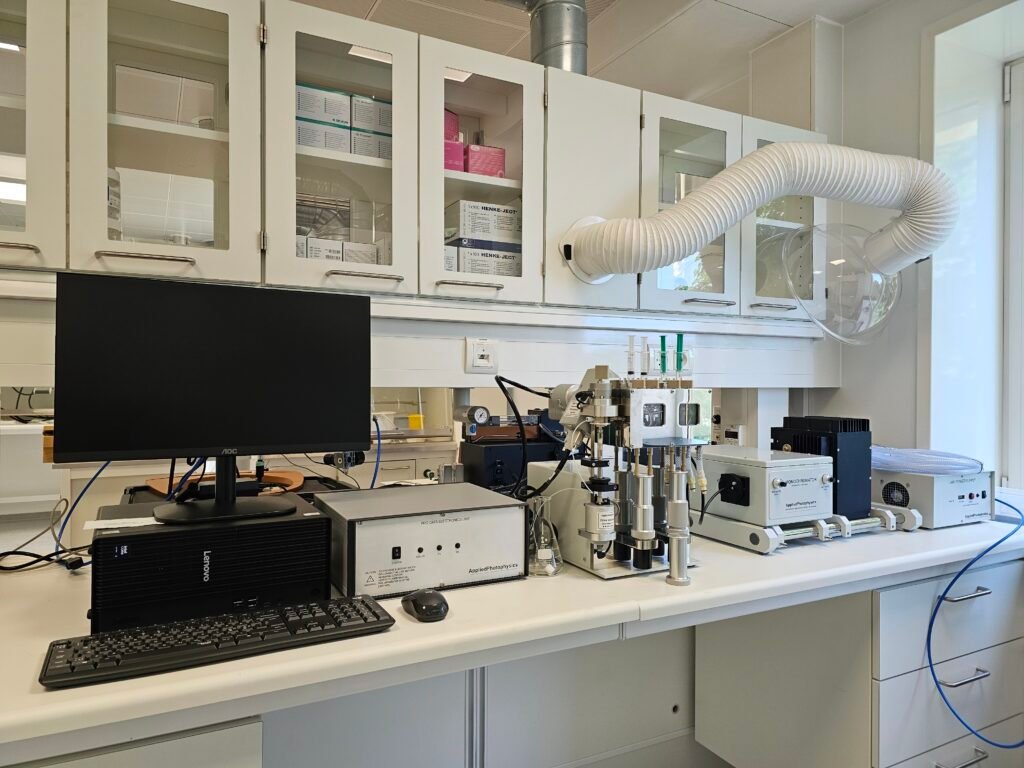
Stopped-Flow SX20
The Stopped-Flow SX20 from Applied Photophysics is a rapid kinetic spectroscopy instrument designed to investigate fast chemical and biochemical reactions on the millisecond timescale. The instrument enables rapid mixing of reactants followed by immediate spectroscopic monitoring of reaction progress under controlled conditions. It is commonly used to study reaction kinetics, intermediate species formation, and mechanistic pathways, providing insight into processes such as electron transfer reactions, catalytic activity, ligand binding, and molecular interactions in solution.
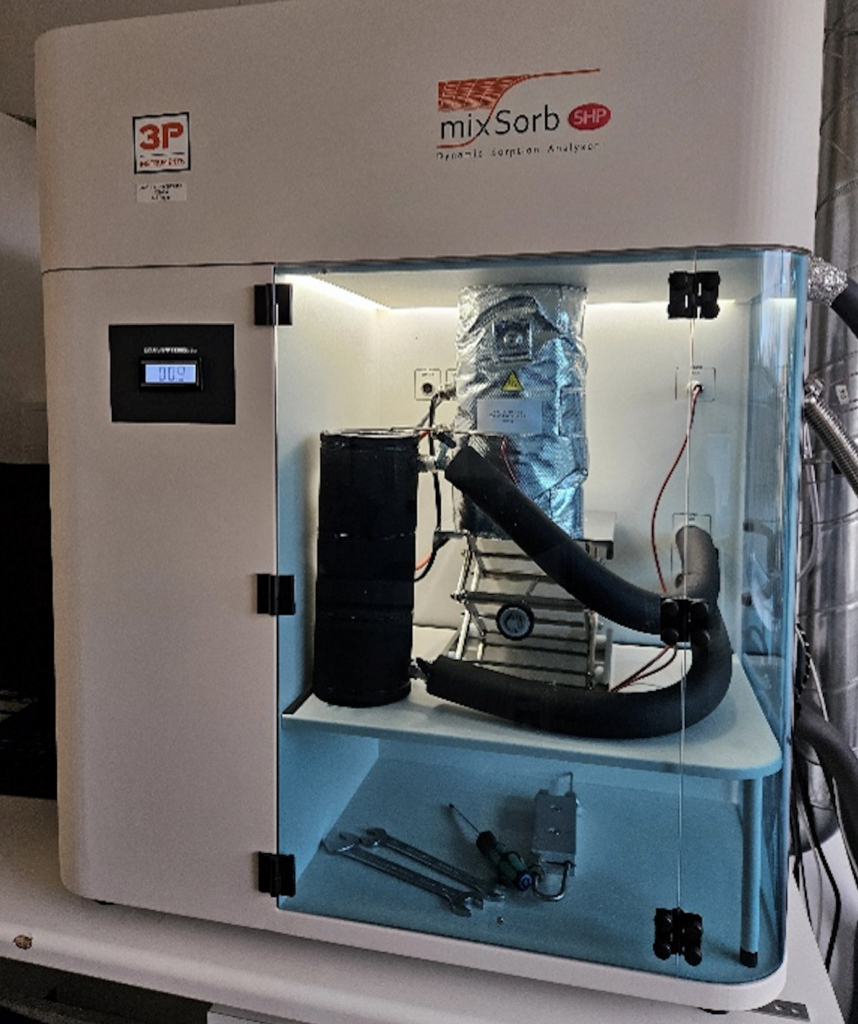
Break through analyzer (BTA): 3P mixSorp SHP
This Breakthrough Analyzer is used for analysing and understanding the sorption behaviour of different materials, thereby making it a crucial instrument for determining carbon capture properties of solid samples. By subjecting the samples to a mixture of gasses, breakthrough curves are measured to reveal material performance under dynamic flow conditions. In our labs CO2 and N2 gas is available to enable measurements in simulated flue gas.
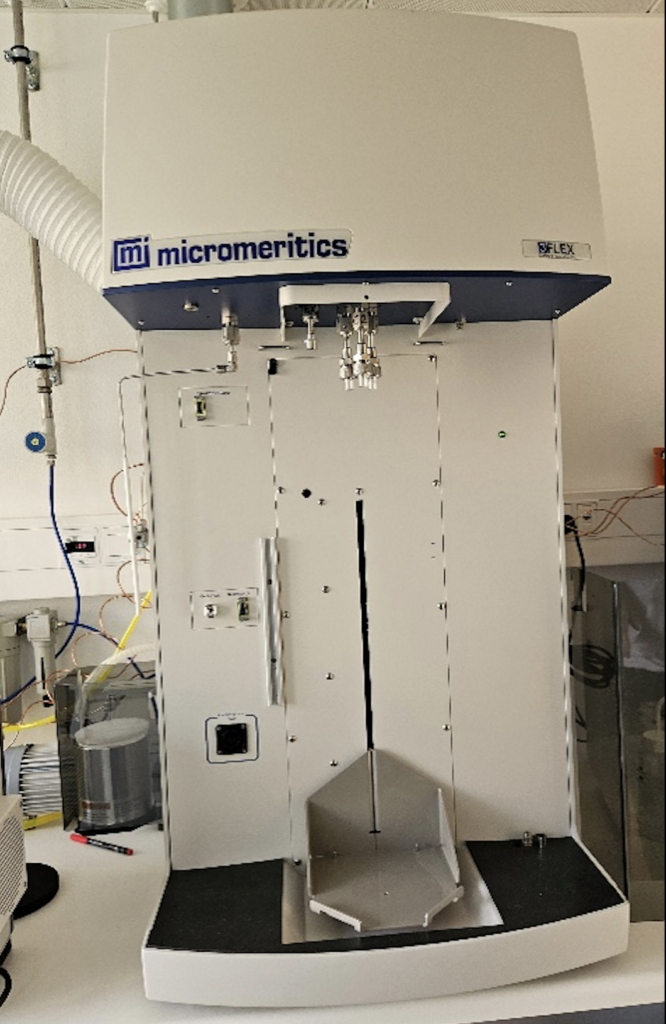
Physisorption and chemisorption instrument- 3FLEX
The 3Flex is a high-performance gas adsorption instrument capable of performing physisorption, chemisorption, and vapor sorption measurements. It is designed for determining the surface area and porosity of various materials, as well as measuring gas adsorption isotherms. This includes the ability to record CO₂ isotherms across a temperature range of -50 °C to 200 °C, making it ideal for evaluating carbon capture properties. Additionally, the chemisorption mode enables the determination of active site concentrations, while a heating mantle allows for the study of vapor adsorption under controlled conditions.
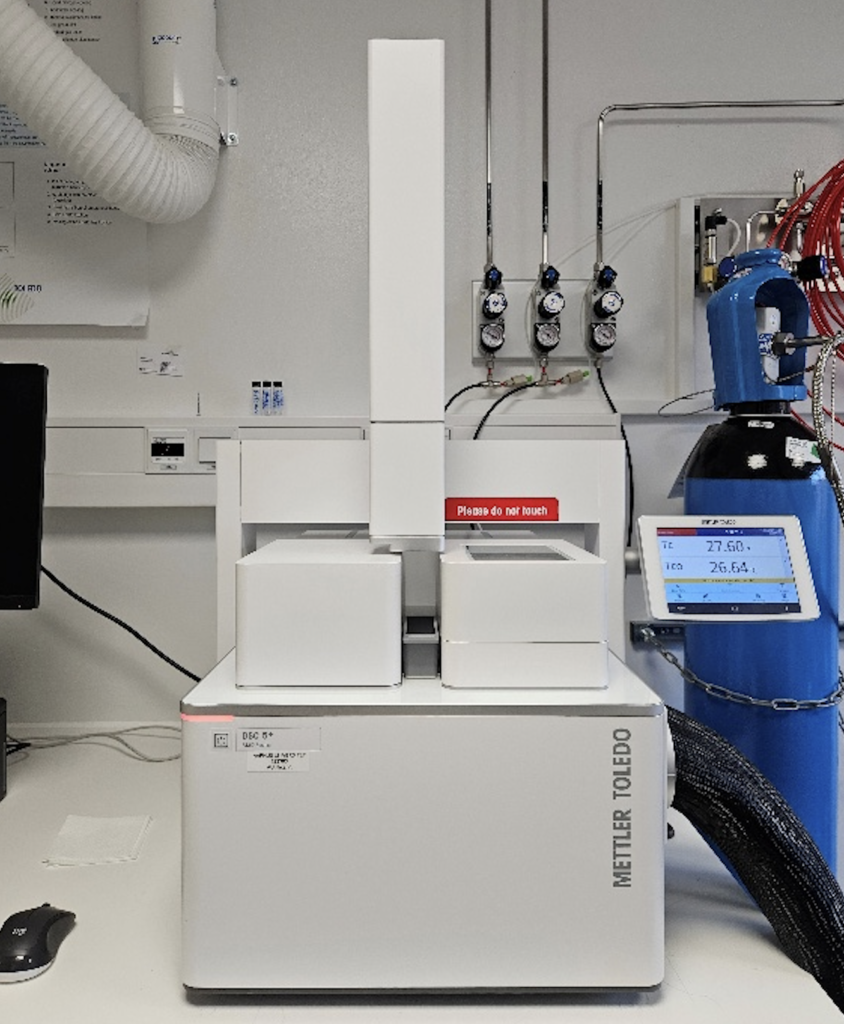
DSC - 5+ star system
Differential scanning coulometry is a thermal analysis instrument used for material characterization. This instrument measures enthalpy changes associated with material transitions as a function of temperature or time with the ability to record data in the temperature range of -150 ℃ to 700 ℃. The DSC is essential for determining phase transitions such as melting points and glass transition temperatures or thermal stability, allowing precise characterization of thermal properties and energy changes and providing critical insights into material behavior under thermal stress.
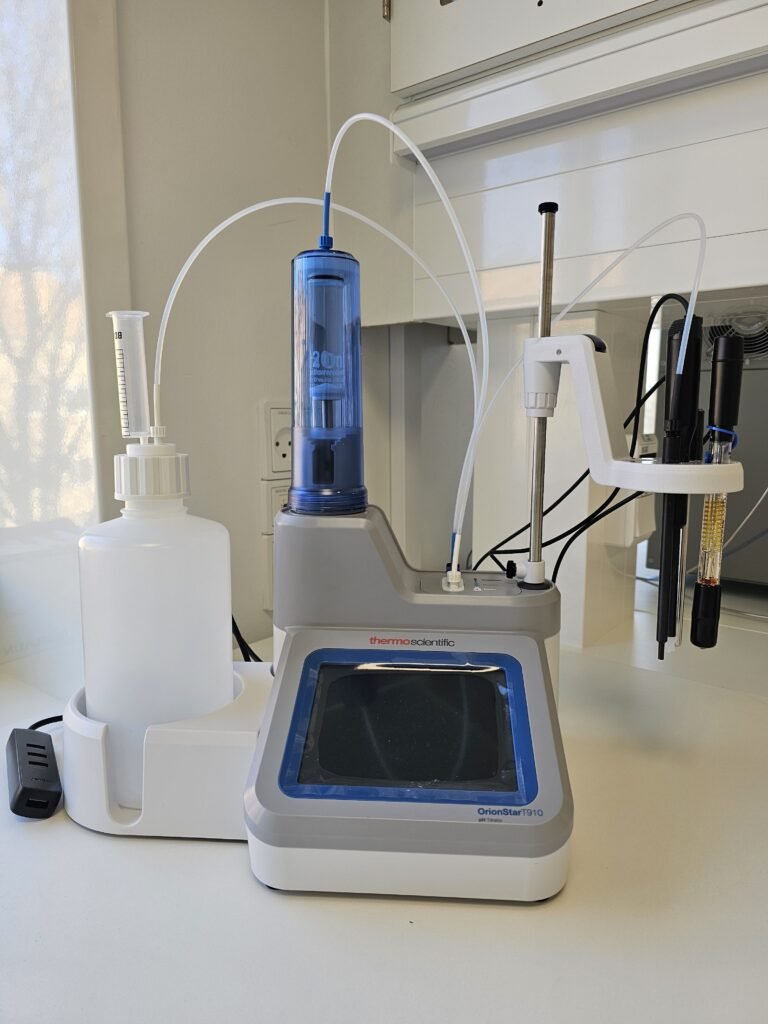
Orion Star T910 pH Titrator and Kits (Thermo Scientific)
The Orion Star T910 is an automated potentiometric titrator designed for accurate determination of pH and titration endpoints in liquid samples. The system integrates a precision burette, electrode interface, and automated dosing, enabling reliable titration with minimal manual intervention. It supports various titration methods such as acid–base and redox titrations with automatic endpoint detection. It is primarily used for determining the acidity, alkalinity, and buffering capacity of electrolyte solutions and reaction mixtures.
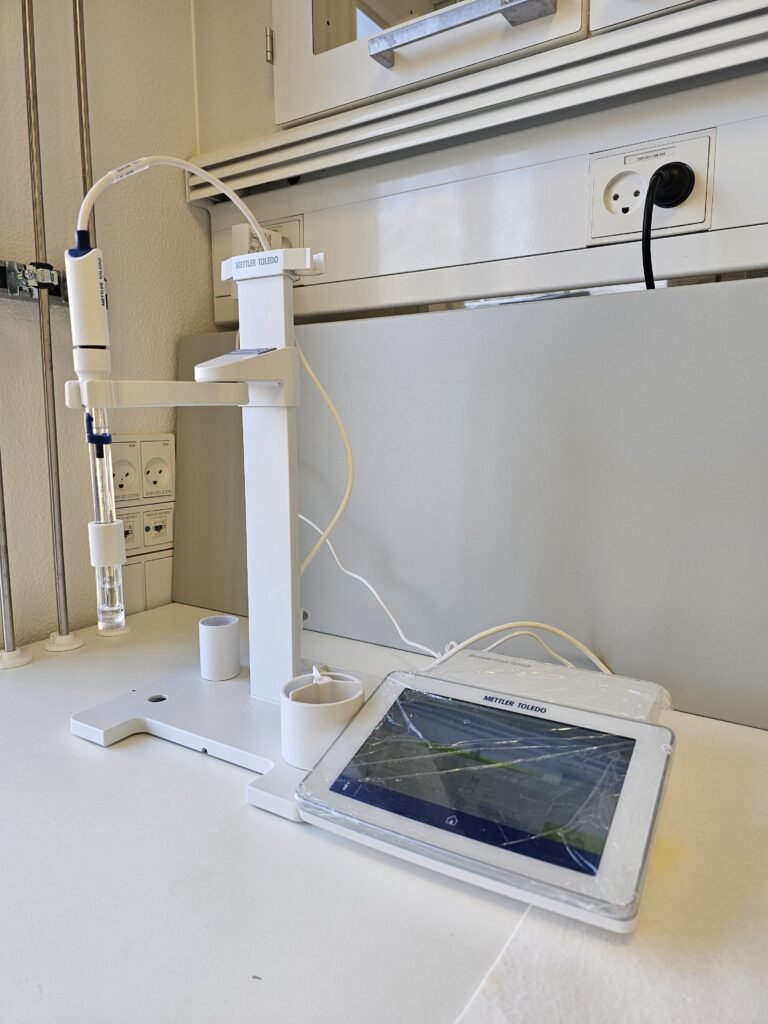
pH/Ion Meter SevenDirect SD50 HA Kit (Mettler-Toledo)
The SevenDirect SD50 is a benchtop pH and ion meter designed for precise measurement of pH, ion concentration, and temperature in aqueous solutions. It features automatic temperature compensation and stable measurement performance, ensuring reliable analytical results. The instrument is routinely used to measure the pH of electrolytes, buffer solutions, and reaction media, supporting controlled conditions in chemical and electrochemical experiments.
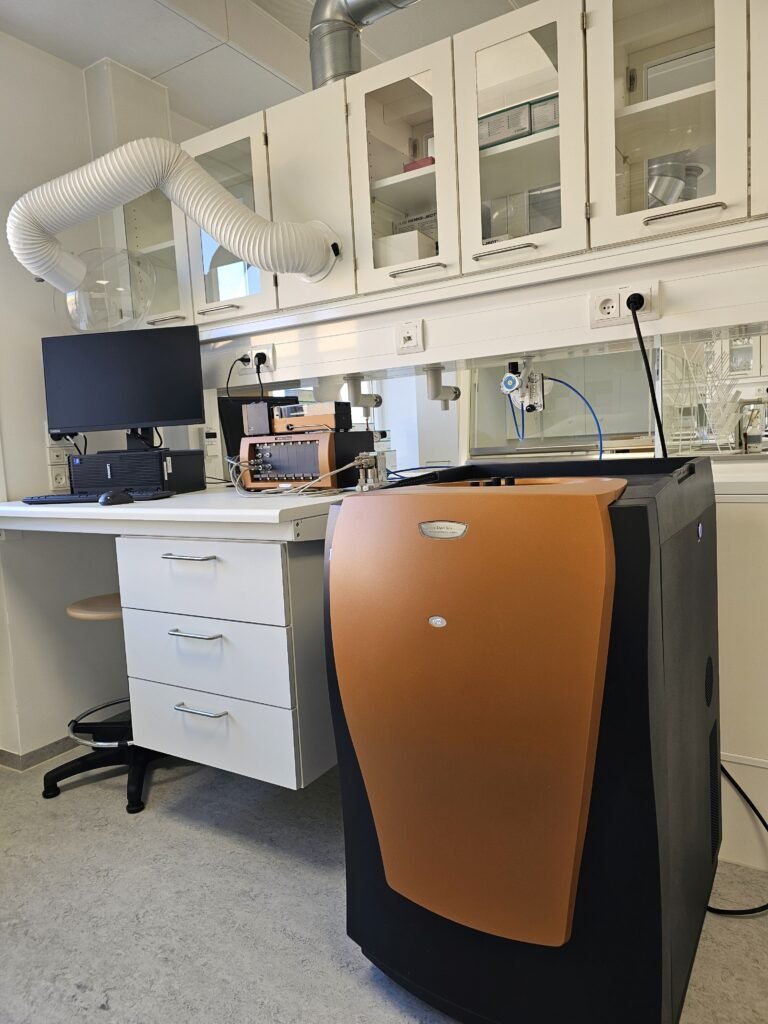
TAM IV Isothermal Microcalorimeter (TA Instruments)
The TAM IV is an isothermal microcalorimeter designed to measure very small heat flows associated with chemical, physical, or biological processes under constant temperature conditions. The instrument enables highly sensitive detection of heat generated or absorbed during reactions, adsorption processes, or material transformations. It is commonly used to monitor reaction kinetics and thermodynamic behaviour, providing insight into processes such as catalyst activity, adsorption phenomena, and stability of materials in solution.
Contact
Daasbjerg Group
Novo Nordisk Foundation CO2 Research Center (CORC)
Aarhus University
Contact information for Prof. Kim Daasbjerg
Email: kdaa@chem.au.dk