Current Team
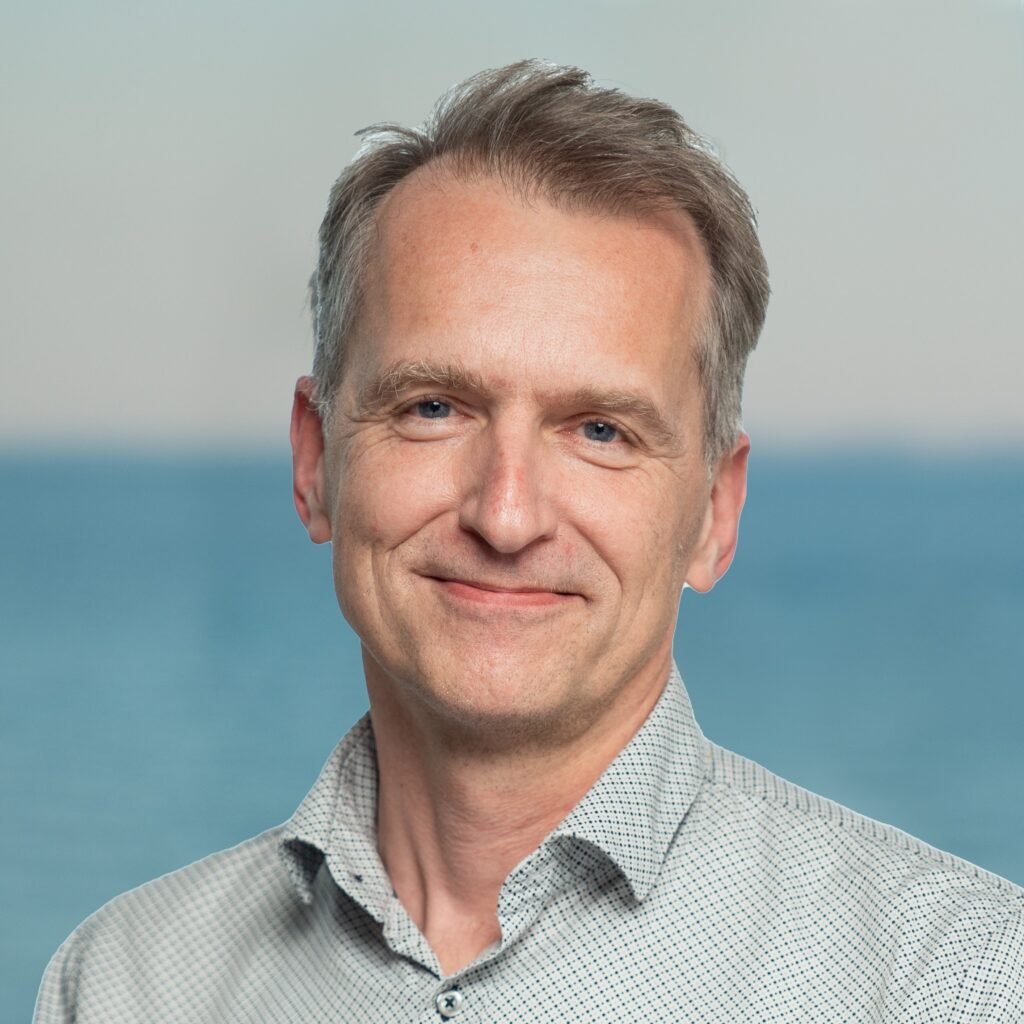
Professor Kim Daasbjerg, Ph.D., Dr. Scient
Kim Daasbjerg’s expertise includes development of surface modification tools as applied to the study of polymer brushes, responsive polymers, coatings, smart hybrid materials and composites involving in one or the other way carbon-based substrates. In addition, his research has focused on fundamental aspects of graphene and its functionalization to exploit the extraordinary properties of this carbon allotrope in materials science. More recently, the combined expertise in electrochemistry, modification of surfaces, polymer brushes, and carbon materials is employed to meet a scientifically difficult challenge of great societal importance in terms of converting the greenhouse gas, carbon dioxide, to useful building blocks for the chemical industry or energy sector.
Technical Academic Employees
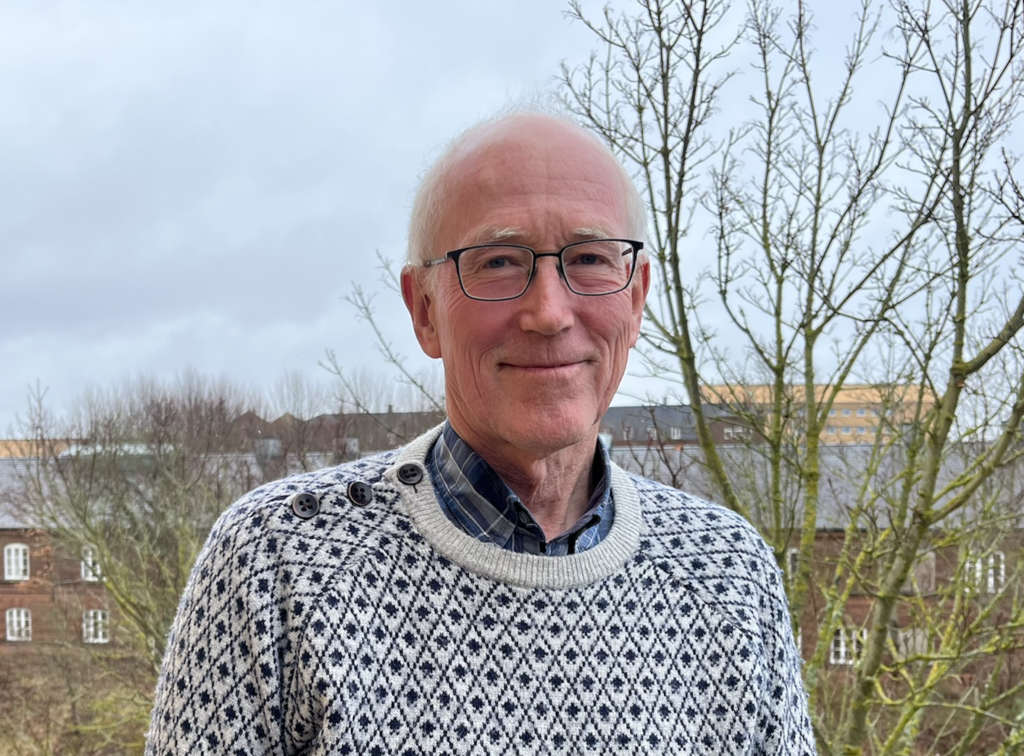
Steen Uttrup Pedersen, Ph.D.
Senior Academic Collaborator
Steen is senior researcher with competences in electrochemistry, spectroscopy and organic chemistry. Development projects: ATR-SEIRAS, EC-MS and EC-QCM; all relevant for CO2 capture and conversion.
Pegah Nazari, Ph.D.
Laboratory Manager
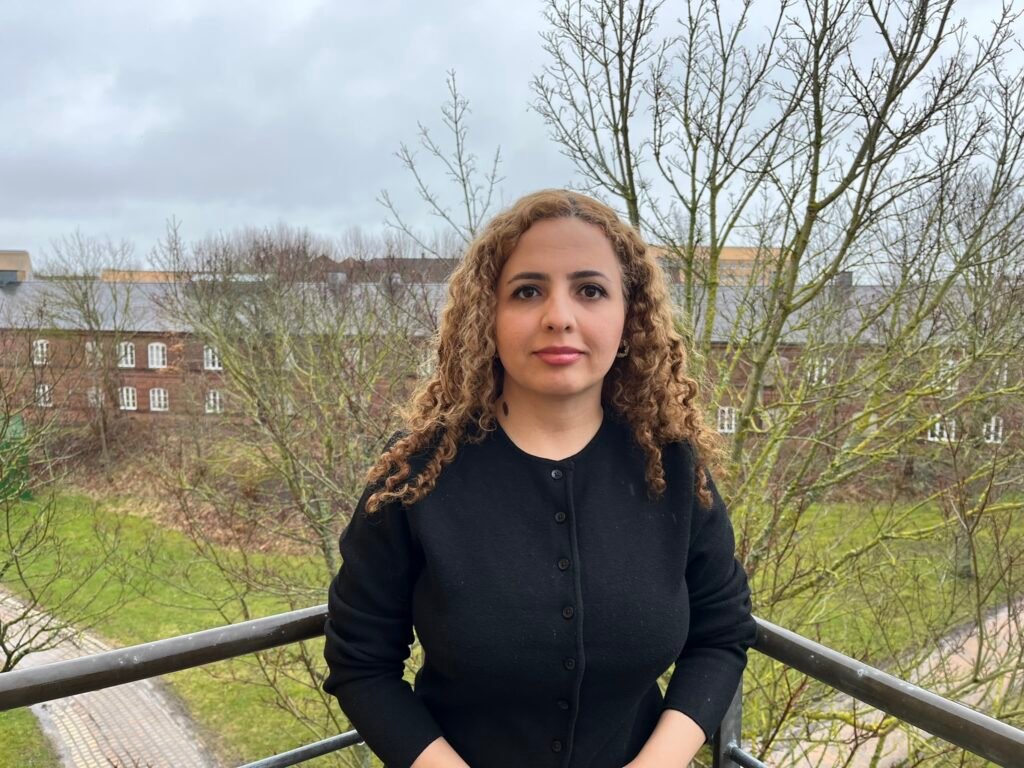
Pegah Nazari is a postdoctoral researcher at the Novo Nordisk Foundation CO2 Research Center (CORC), Aarhus University. She first joined Aarhus University in 2020 as a researcher in the department of Biological and Chemical Engineering (Center for Water Technology) before continuing her work in the department of Chemistry. Her research focuses on developing integrated electrochemical systems for CO2 conversion and designing new aqueous CO2 capture agents. She has also contributed to membrane modification strategies for biomethanation in collaboration with NYSEARCH and Stanford University, as well as the development of Cu-based electrocatalysts for CO2 reduction. Pegah holds a PhD in physical chemistry–materials science from Sharif University of Technology.
Postdocs
Kirstine Kolding Bertelsen, Ph.D.
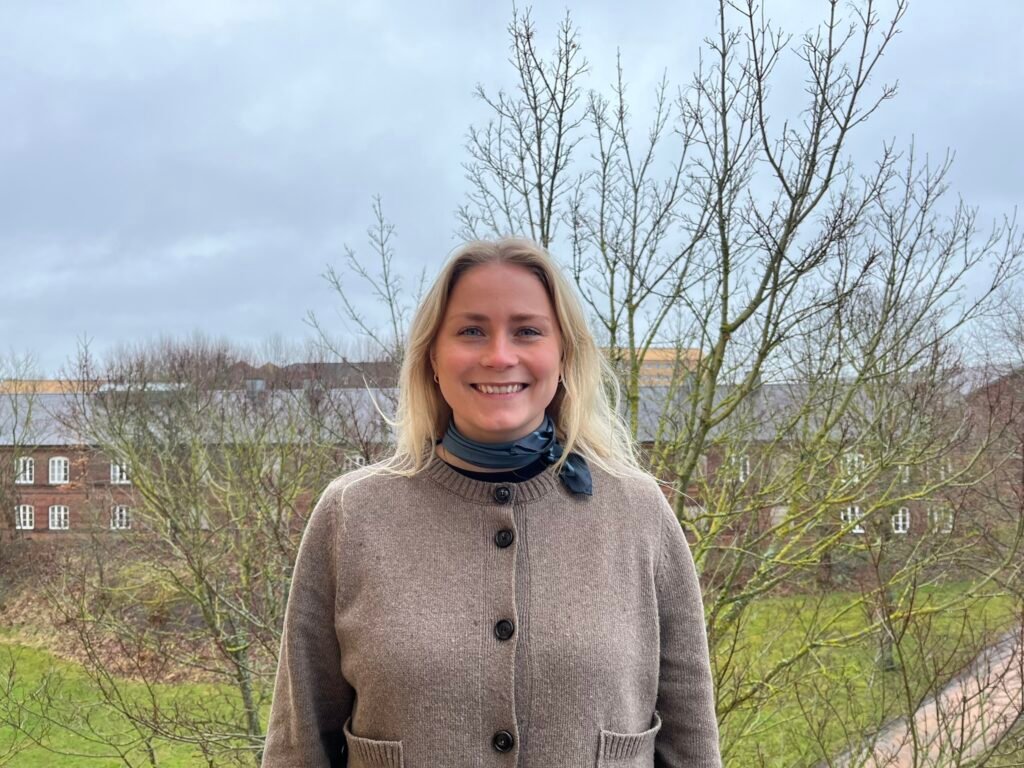
Kirstine Kolding Bertelsen is a postdoctoral researcher at the Novo Nordisk Foundation CO2 Research Center (CORC), Aarhus University. She started her Chemistry studies at Aarhus University in 2017 and joined the Daasbjerg Group as a bachelor student in 2020, where she worked on the design of self-immolative polymers. Kirstine started as a PhD student in 2021 in the research group of Alonso Rosas-Hernández, focusing on the development of organic-modified Cu catalysts for the electrochemical reduction of CO2 to multicarbon products. She received her PhD degree in 2025 and is currently working as a postdoc in the Daasbjerg Group, focusing on the electrochemical conversion of bicarbonate as well as electrolyzer development and upscaling of CO2 valorisation systems.
Iqra Arif, Ph.D.
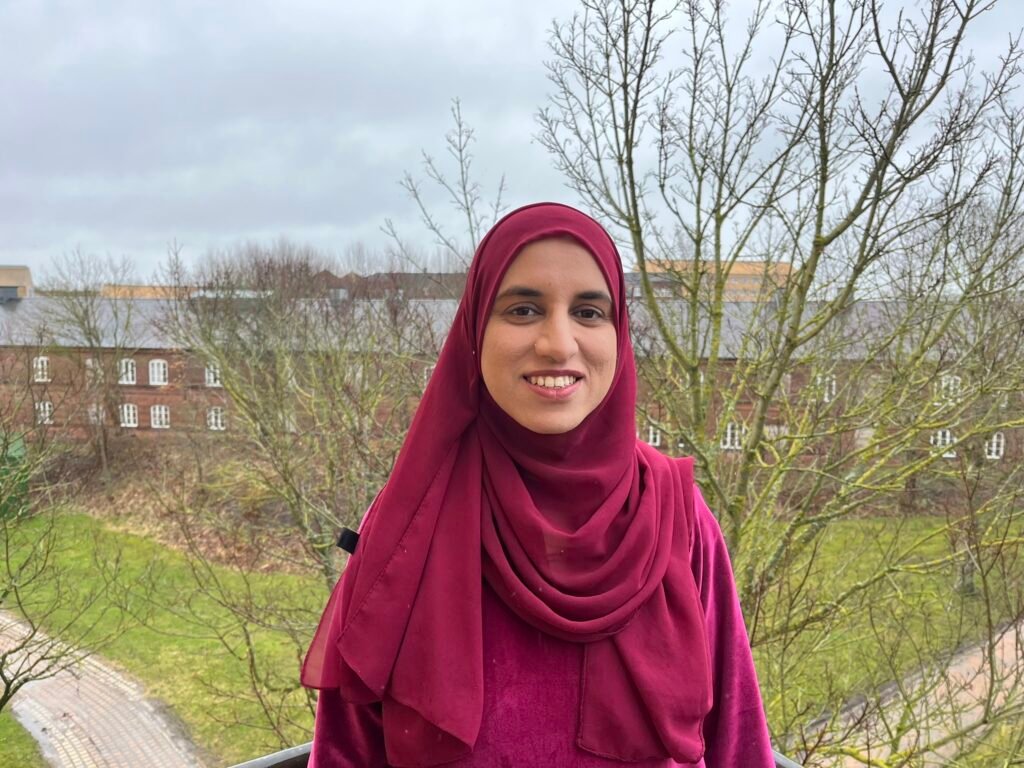
Iqra Arif is currently a postdoctoral fellow in the group of Kim Daasbjerg at Novo Nordisk Foundation CO 2 Research Centre, Aarhus University. She received her Ph.D. degree in chemistry from Pakistan in 2024. Her research interests concentrate on design, synthesis, and applications of functional nanomaterials in energy conversion devices. Currently, she is working on the synthesis of metal organic frameworks (MOFs) and their functionalization with metal nanocrystals (NCs) to build a robust electrocatalyst. Her project involves the use of MOFs as host material to encapsulate metal NCs followed by their pyrolysis to reduce the NCs into MOF pores. Resultantly, NC-encapsulated ni-tride/carbide material will be used for hydrogenation of CO 2 and further electrochemical applications.
Andrea Conte, Ph.D.
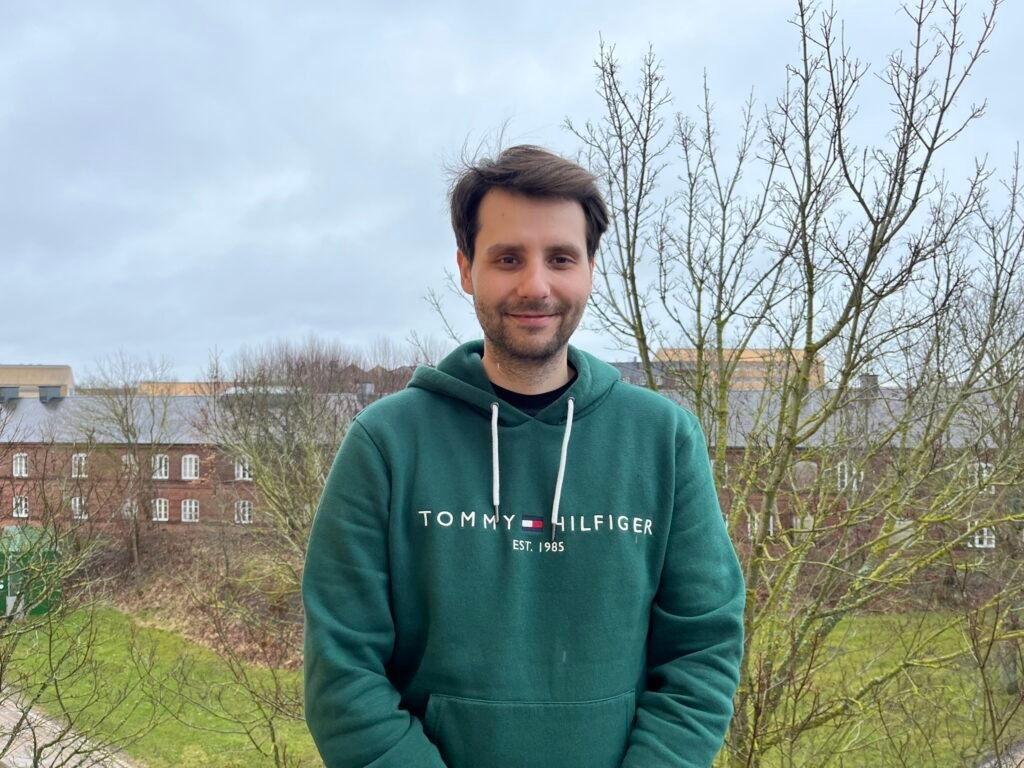
Andrea Conte obtained his bachelor’s degree in chemistry (2019) at the University of Padova under the supervision of Prof. Cristiano Zonta, working on DFT optimization of chiral organic molecular cages used to host dicarboxylates. Moreover, He got his master’s degree in chemistry (2021) at the same university, where he joined the Molecular Electrochemistry and Nanosystems group under the supervision of Prof. Flavio Maran. His master’s thesis work focused on the synthesis and in-depth characterization of Atomically Precise Gold Nanoclusters aimed at constructing advanced 2D materials. He subsequently pursued a Ph.D. in Chemical Sciences at the University of Padova, in the same group, under the supervision of Prof. Sara Bonacchi and Prof. Sabrina Antonello, dedicating his research to the development of innovative Cu-based electrocatalysts (Cu nanowires) for CO 2 electroreduction. Furthermore, Andrea spent 5 months visiting Ph.D. student at the Catalan Institute of Nanoscience and Nanotechnology (ICN2) in the Prof. Maria Escudero Escribano’s group where he studied nanostructuring of Cu bulk and perfected his knowledge on the electrochemical characterization techniques such as metal underpotential deposition. Andrea is now a postdoctoral researcher in Prof. Kim Daasbjerg’s group, where he works on direct bicarbonate conversion strategies and on the development of spin-based electrode systems for next-generation electrochemical technologies.
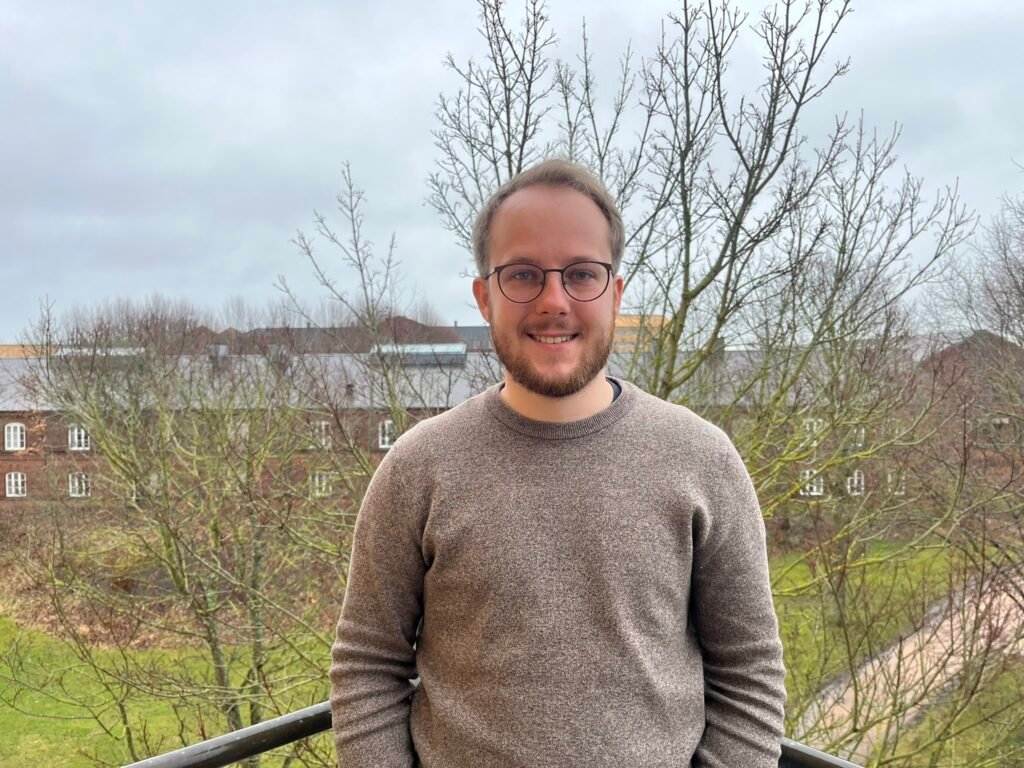
Luuk Kempen, Ph.D.
Luuk Kempen is a postdoctoral researcher in the research groups of Kim Daasbjerg and Mie Andersen at Aarhus University. He studied Chemical Engineering at Eindhoven University of Technology, graduating in 2022. Afterwards, Luuk started as a PhD student with Mie Andersen, researching how machine learning can be used to investigate inverse catalysts, a material class interesting for the conversion of CO2 into more useful products such as methanol. He received his PhD degree in 2025 and is currently working as a postdoc focusing on developing and applying a unified data framework and machine learning methods for the optimization of CO2 conversion processes.
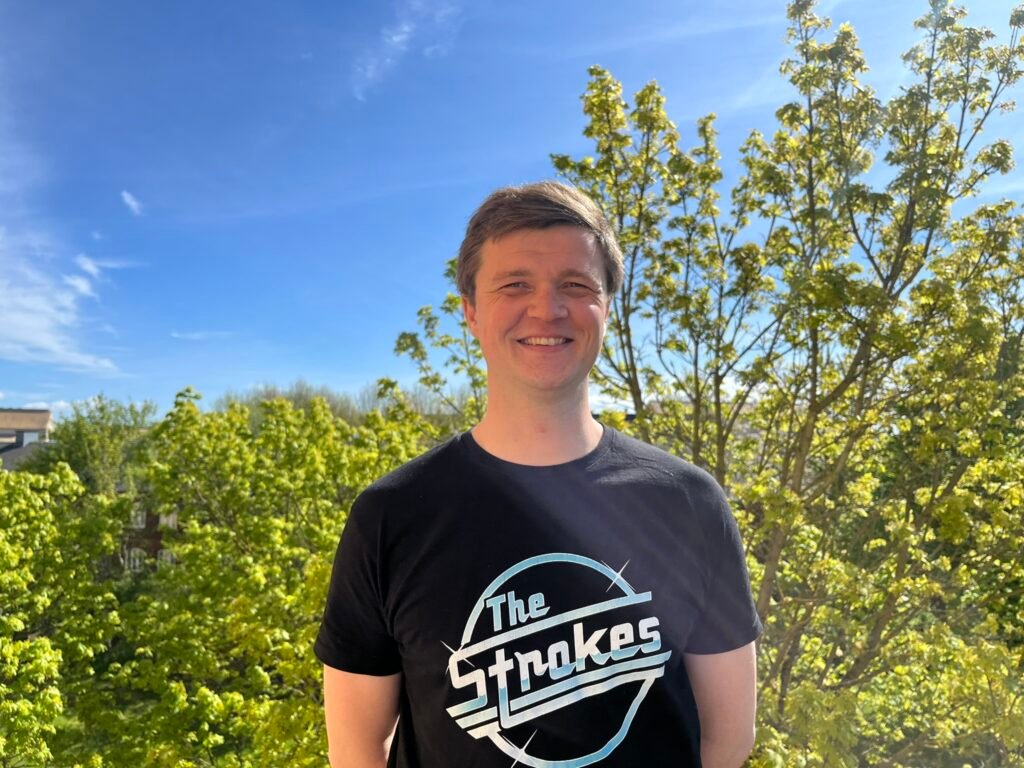
Valdemar Juel Enemærke, Ph.D
Valdemar Juel Enemærke is a postdoctoral researcher at the Novo Nordisk Foundation CO2 Research Center (CORC), Aarhus University. He started his Chemistry studies at Aarhus University in 2016 and joined the Jørgensen Group as a bachelor student in 2019. Valdemar continued in the Jørgensen group throughout his MSc and PhD studies, where he studied enantioselective organocatalysis with an emphasis on elucidating reaction mechanisms. After receiving his PhD degree in 2024, Valdemar continued his research in organocatalytic reaction mechanisms as a Postdoc in the Jørgensen group until the end of 2025. Currently, Valdemar’s research in the Daasbjerg group concerns optimization and scale-up of organic synthesis of promoter molecules utilized in CO2 capture.
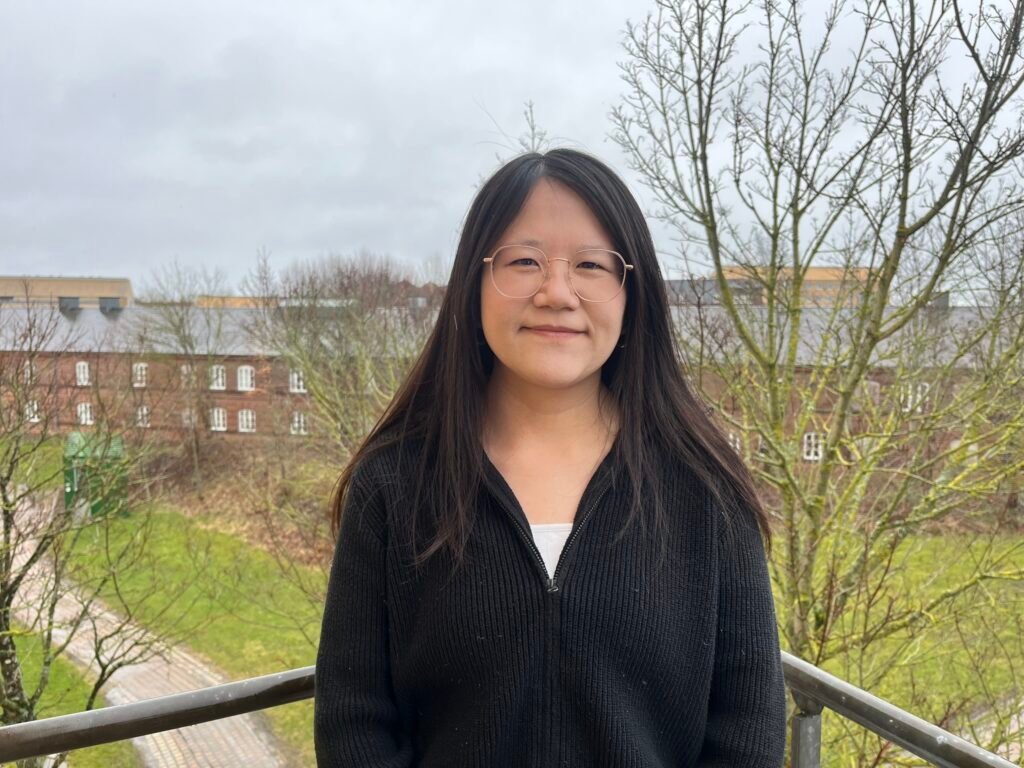
Lin Li, Ph.D
Lin began her education at Xiangtan University, China, in 2014 and obtained her bachelor’s degree in 2018. She then pursued a master’s degree at Central South University, Changsha. After completing her master’s studies, she moved to Aarhus to undertake her PhD in the group. Her current research focuses on the electrochemical conversion of bicarbonate to value-added carbon products.
PhD Students
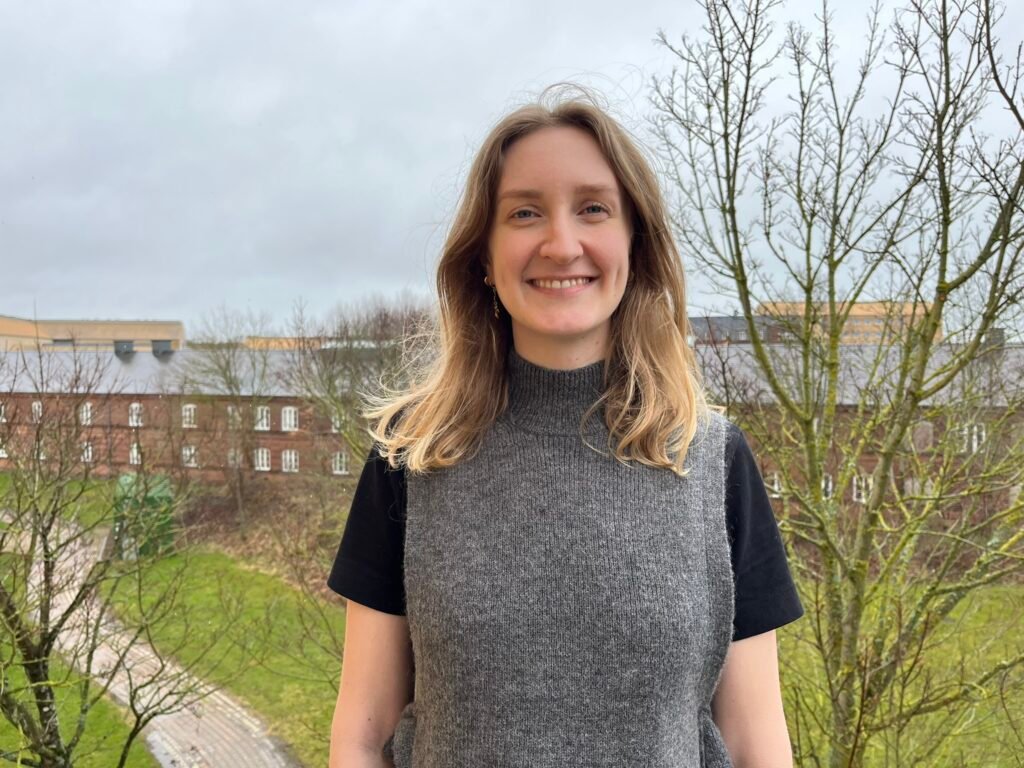
Kristine Aalestrup, M.Sc
Kristine was born in Denmark in 1999. In 2019, she started studying Medicinal Chemistry at Aarhus University. Being intrigued by the field of electrochemical conversion of CO2 , she received her bachelor’s degree working in the Daasbjerg group in 2021, focusing on the synthesis of NHI-CDI ligands for the surface modification of Cu catalysts. Following this, she completed a chemical project investigating the electrochemical grafting of diazonium salts. In 2023, she started a combined Master’s and PhD focusing on catalyst development for the electrochemical CO2 reduction reaction, which led to her receiving her master’s degree in 2025, working mainly on testing molecular catalysts and single/dual atom catalysts for CO2 conversion. Her current work includes the investigation into perovskite materials as catalysts in the CO2 reduction reaction to facilitate the formation of C2+ products.
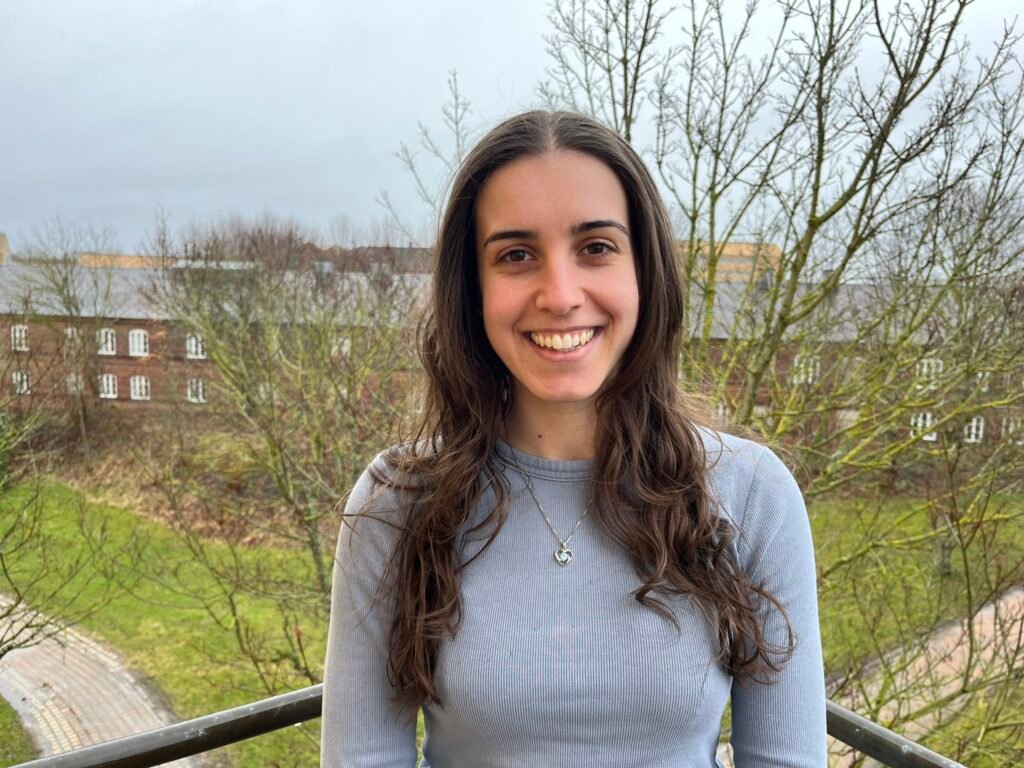
Núria Félez I Guerrero, M.Sc
Núria was born in 2002 and spent her childhood in Palau-solità I Plegamans, a town in Catalunya, Spain. She started her bachelor’s degree in Nanoscience and Nanotechnology at the Autonomous University of Barcelona in 2020. In 2024, she started her Master’s in Nanoscience at Aarhus University, where she did an individual project in the Daasbjerg group on molecular catalysts for the conversion of CO2 . In June 2025, she started as a PhD student working with the electrochemical reduction of CO2 . Her current work consists of the development of Cu- and Ni-based dual atom catalysts to facilitate the reduction of CO2 to C 2+ products.
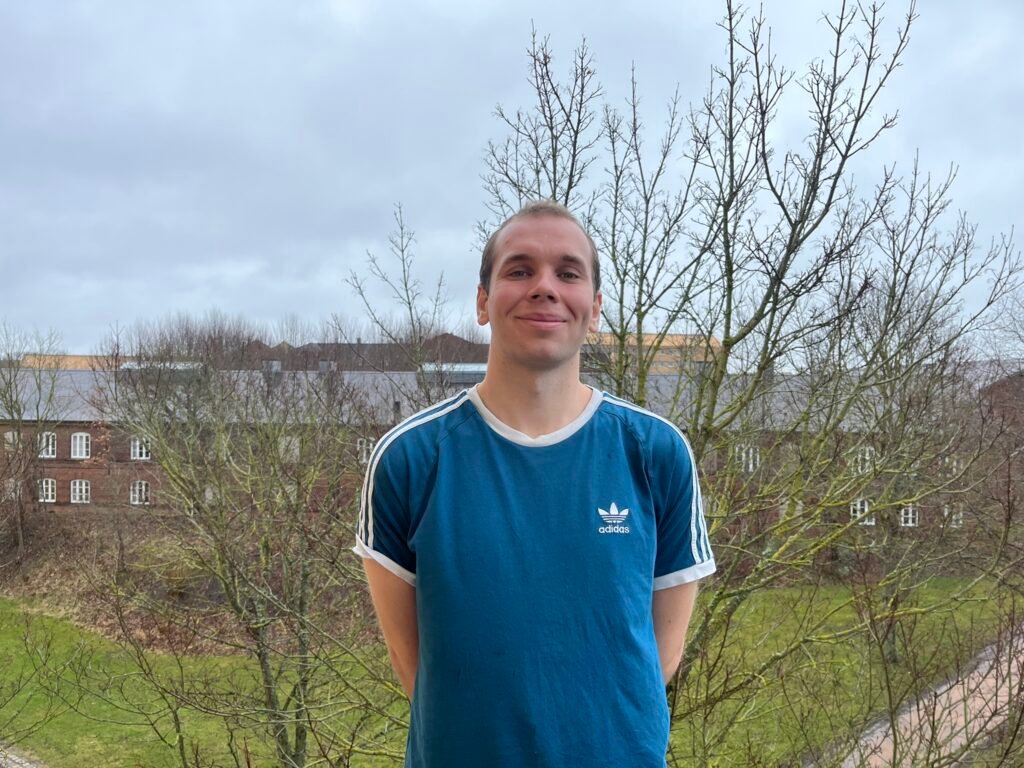
Kristian Ax, M.Sc
Kristian was born in 1998 in eastern Jutland. He earned his bachelor’s degree in chemistry in 2022 and his master’s degree in 2025 from Aarhus University, focusing on electro- and thermocatalytic carbon utilization technologies. His academic background also includes organic synthesis and polymer chemistry. Currently, Kristian is pursuing a Ph.D., continuing his research on thermocatalytic carbon utilization while expanding into the organic synthesis of innovative biocompatible capture agents for bio-integrated carbon capture and utilization. In 2025, he was a visiting student researcher at Stanford University, where he gained experience in the inorganic synthesis of metal nanoparticles for thermally driven CO₂ hydrogenation.
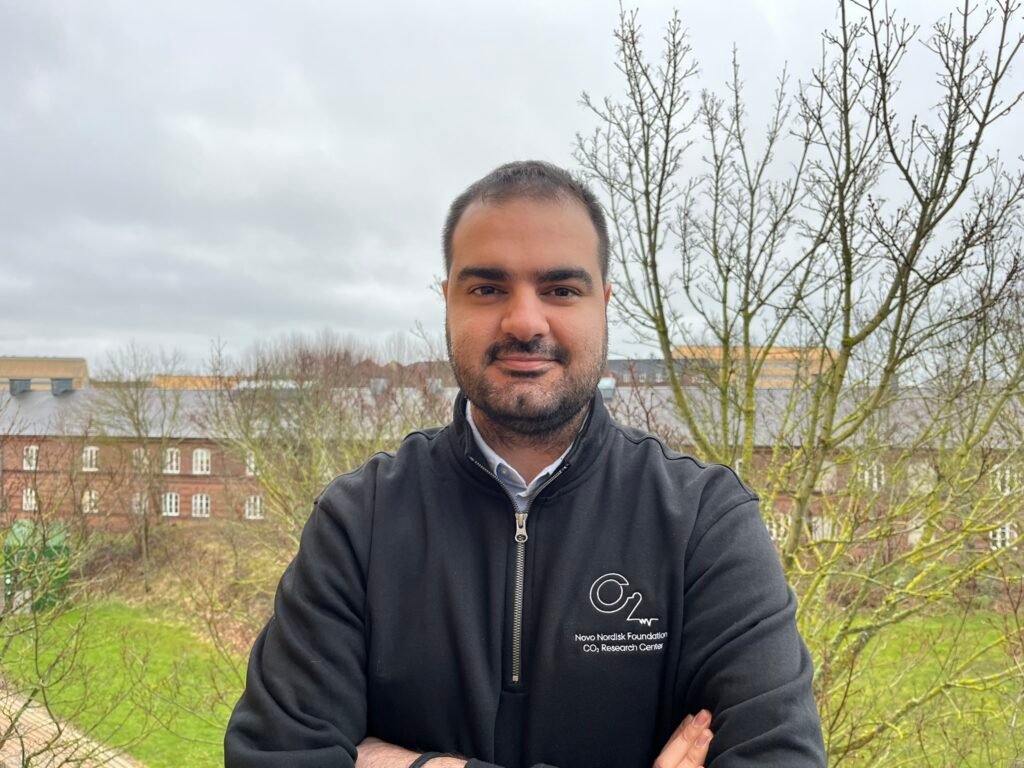
Alireza Norouzi, M.Sc.
Alireza Noroozi is a Ph.D. student in the Daasbjerg Group at Aarhus University, affiliated with the Novo Nordisk Foundation CO2 Research Center, where he started in 2026. He holds a bachelor’s degree in Polymer Engineering from SRBIAU, and a master’s degree in Materials Science and Engineering from Koç University. His background is in polymer-based materials and electrospinning, with experience in designing fibrous systems for energy-related applications, including lithium-ion battery separators and carbon nanofiber-supported catalysts for water splitting. His current research focuses on the development of perovskite materials for electrochemical CO2 reduction. In particular, he is interested in understanding how composition and structure, such as doping and defect engineering, can influence catalytic activity and selectivity, with the broader goal of contributing to efficient and scalable CO2 conversion systems.
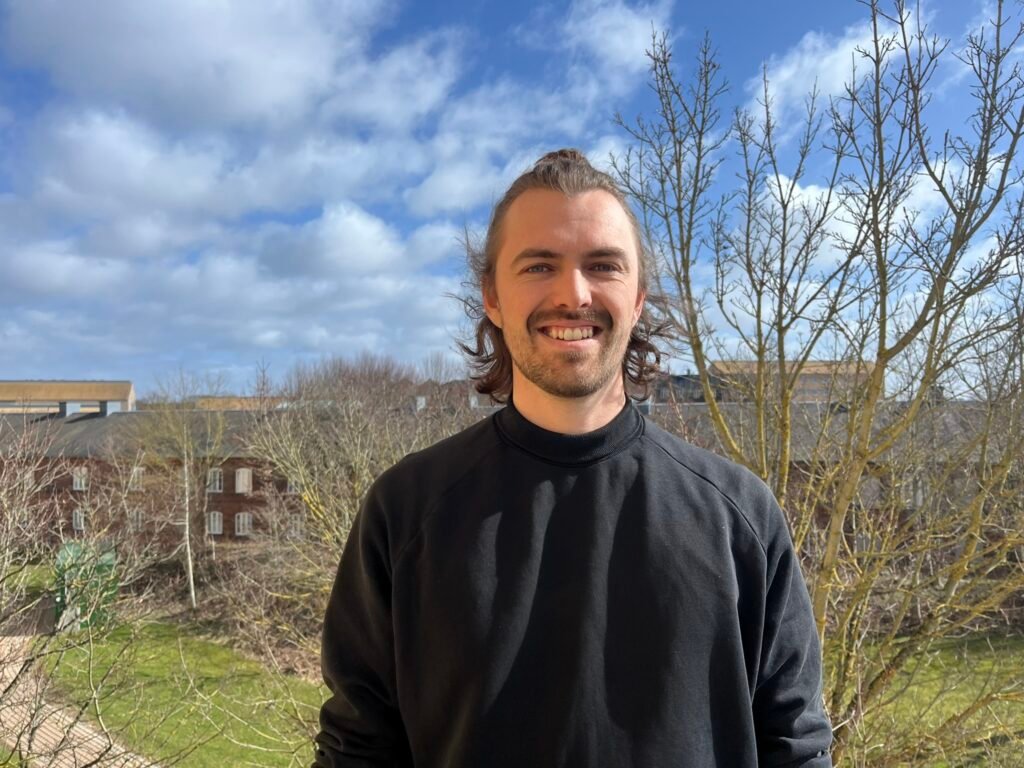
Jonathan Willumsen, M.Sc.
Jonathan Willumsen is a Ph.D. student at the Novo Nordisk Foundation CO₂ Research Center (CORC). He completed his bachelor’s degree in Chemical Engineering at the Technical University of Denmark (DTU), with a project on electrochemical pH swing for carbon capture, before pursuing a master’s in Biotechnology and Chemical Engineering at Aarhus University. He joined the Daasbjerg Group for his master’s thesis, focusing on computational modelling of enzyme catalysis in electrochemical syngas production from captured CO₂. Since 2026, he has continued this work as a Ph.D. student in the Daasbjerg Group, simulating systems at the intersection of enzymes, electrolysis, and porous materials in CO₂ valorisation.
Master Students
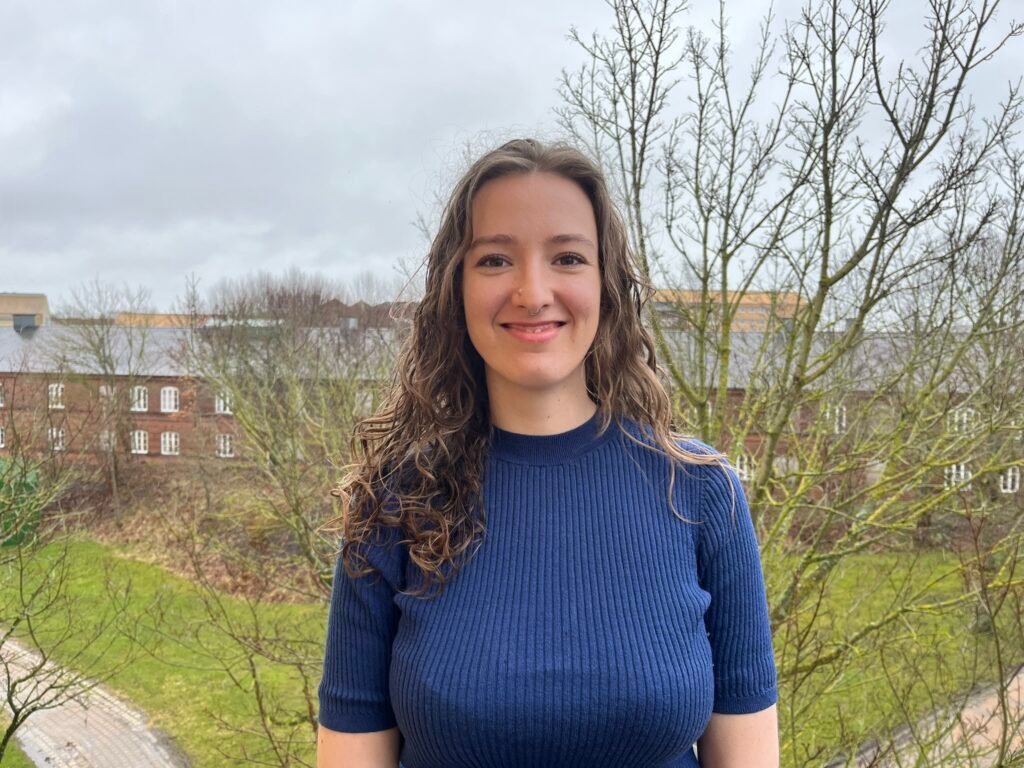
Guðrún Louise Maier, B.Sc.
Guðrún was born in Glasgow in 2000 and has since lived in several locations in Europe. She completed her Bachelor’s degree in Chemistry in 2023 at the University of Salford in Manchester. Her Bachelor’s project focused on fundamental electrochemistry and surface modifications, which sparked her interest in the subject. In 2024, she did a project in the group on radical-assisted CO₂ reduction. She is now a full-time Master’s student working on porous molecular films on copper to boost multi-carbon products through CO₂ reduction.
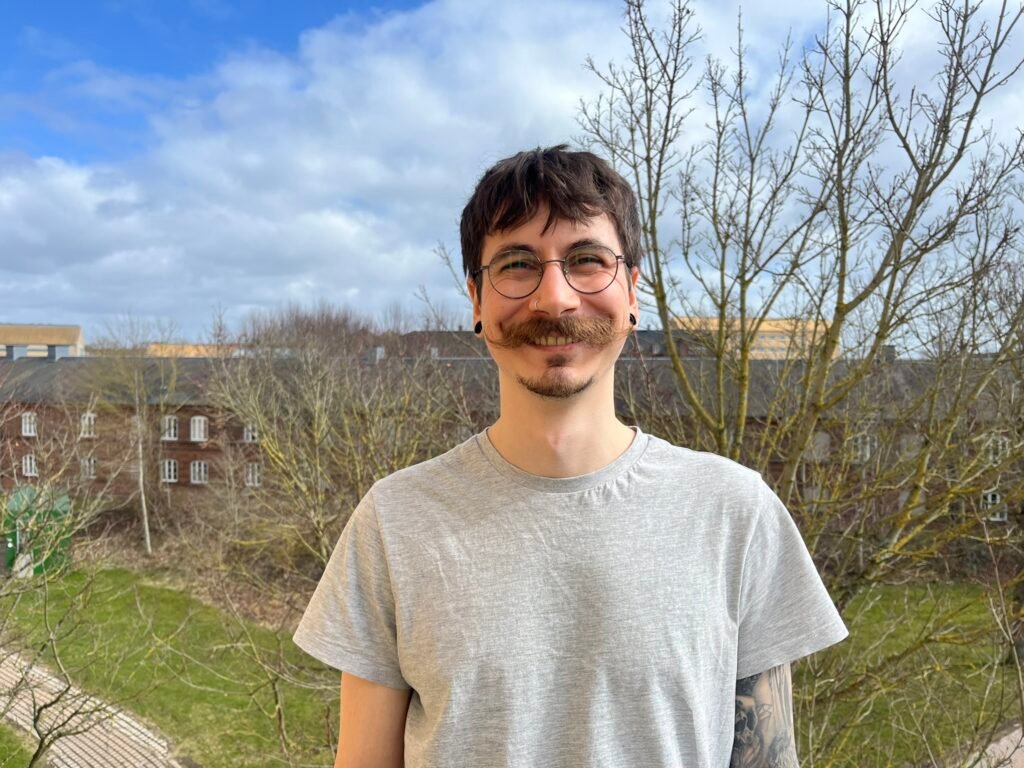
Natan Dudkowski, B.Sc.
Natan began his education in chemistry at Aarhus University in 2022. He earned his bachelor’s degree in 2025. During his bachelor’s project in the Daasbjerg group, he worked on synthesizing asymmetric ligands for use in CO₂ -reducing organometallic complexes. Currently, he is a master’s student doing a chemistry project in the Daasbjerg group. His work focuses on the synthesis of non-identically substituted amine-based CO₂ capture agents.
Project Students
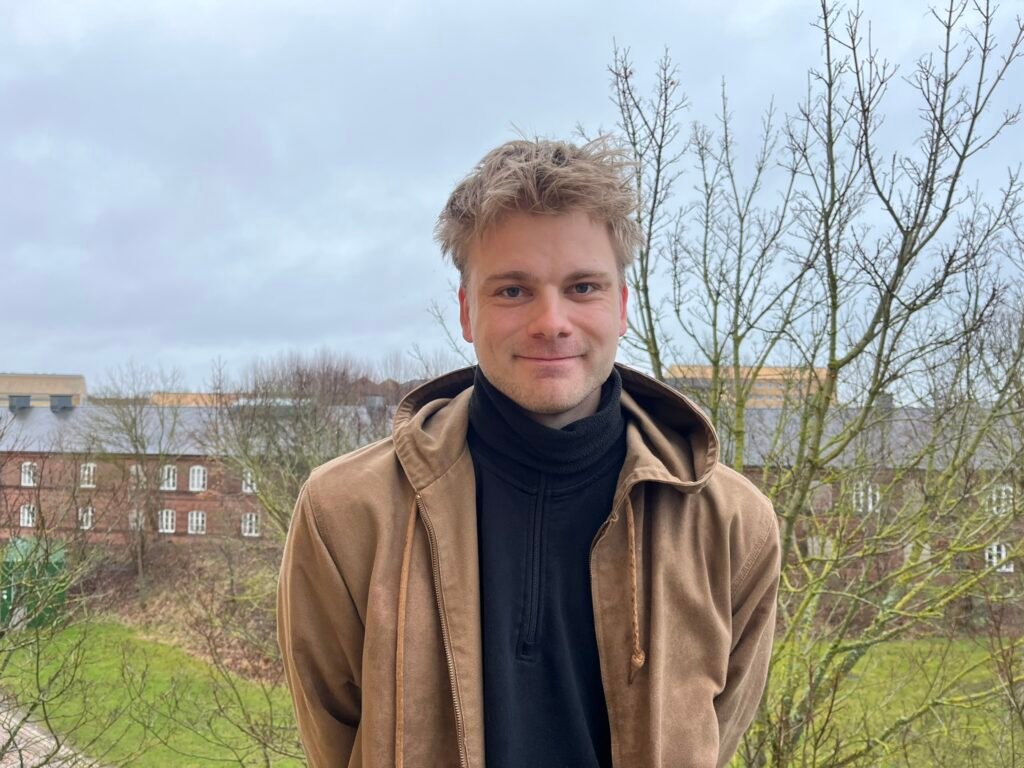
Søren Bjerrum Nielsen, B.Sc.
Søren is a chemical project student in the Daasbjerg Group. He specializes in organic chemistry, and his current project focuses on synthesizing capture agents for bio-integrated carbon capture and utilization (BiCCU). The aim is to synthesize and compare capture agents to better understand the effect of different substituents and changes in regiochemistry.
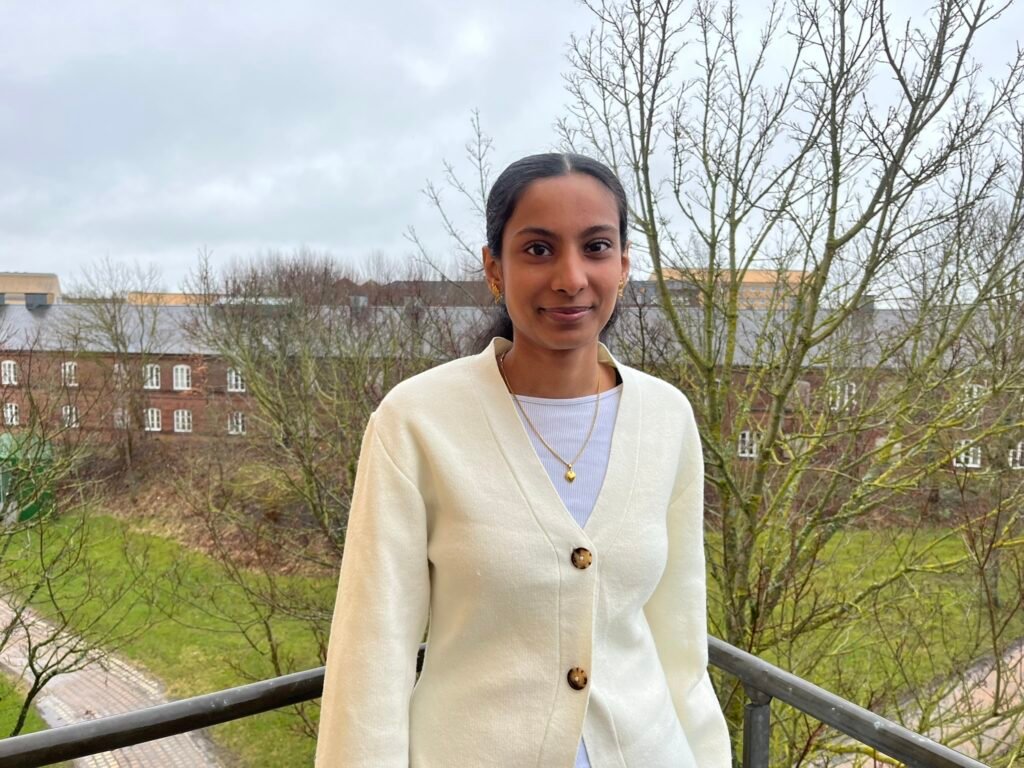
Theksa Mullaichelvan, B.Sc.
Theksa Mullaichelvan is a chemical project student at the Novo Nordisk Foundation CO2 Research Center (CORC), Aarhus University. She started her Chemistry studies at Aarhus University in 2022 and joined the Daasbjerg Group as a bachelor student in 2025, where she worked on the synthesis of porous organic polymers. She is currently a chemical project student in the Daasbjerg Group, focusing on organic synthesis of ammonium quaternary salts.
Bachelor Students
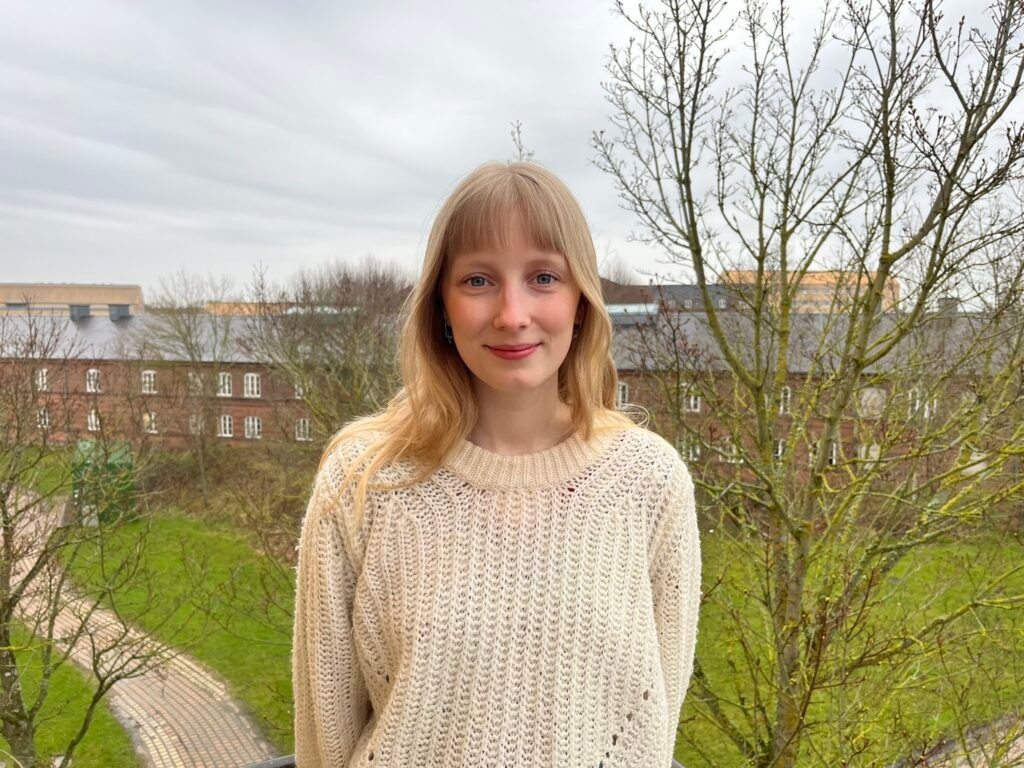
Eva Berg Glasius
Eva is doing a bachelor’s project in the Daasbjerg group. The project aims to synthesize the La 2 CuO 4 perovskite and dope it with Ni or Co on the Cu site to see which material produces the most C 2+ products when applied as a catalyst in the electrochemical conversion of CO2 .
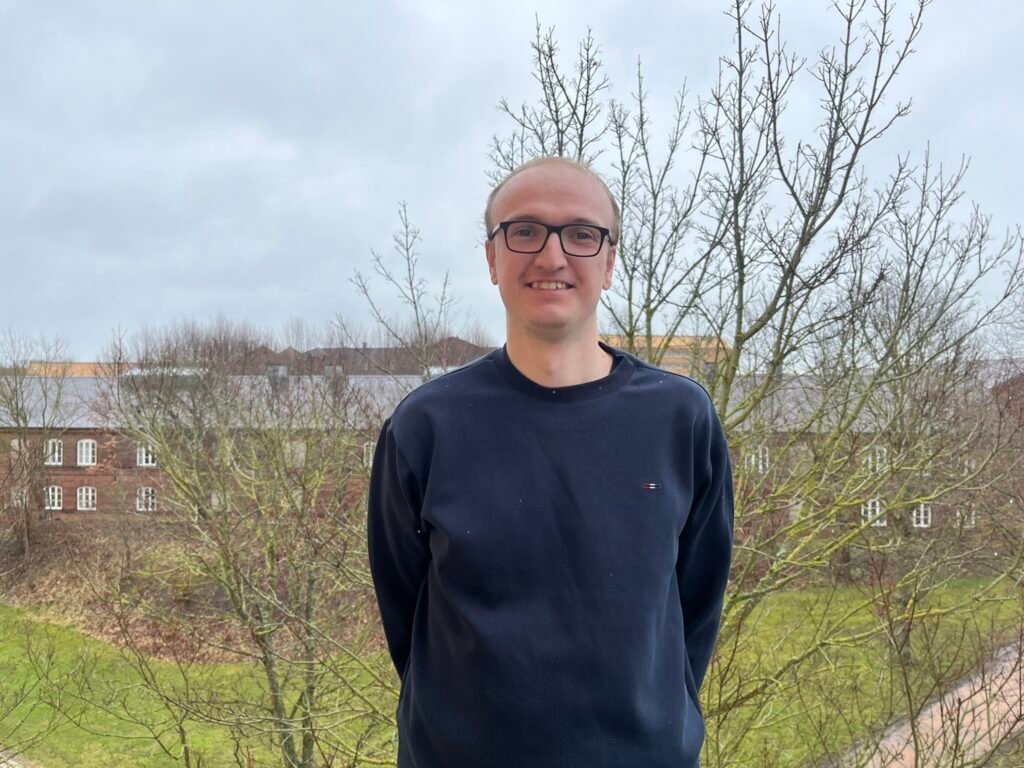
Benjamin Meyer Eriksen
Benjamin is a sixth-semester bachelor student in Kim Daasbjerg’s group. He is currently working on the synthesis of a radical antenna using phenanthrolinium salt as a scaffold to anchor TEMPO at electrode surfaces.
Visiting Students
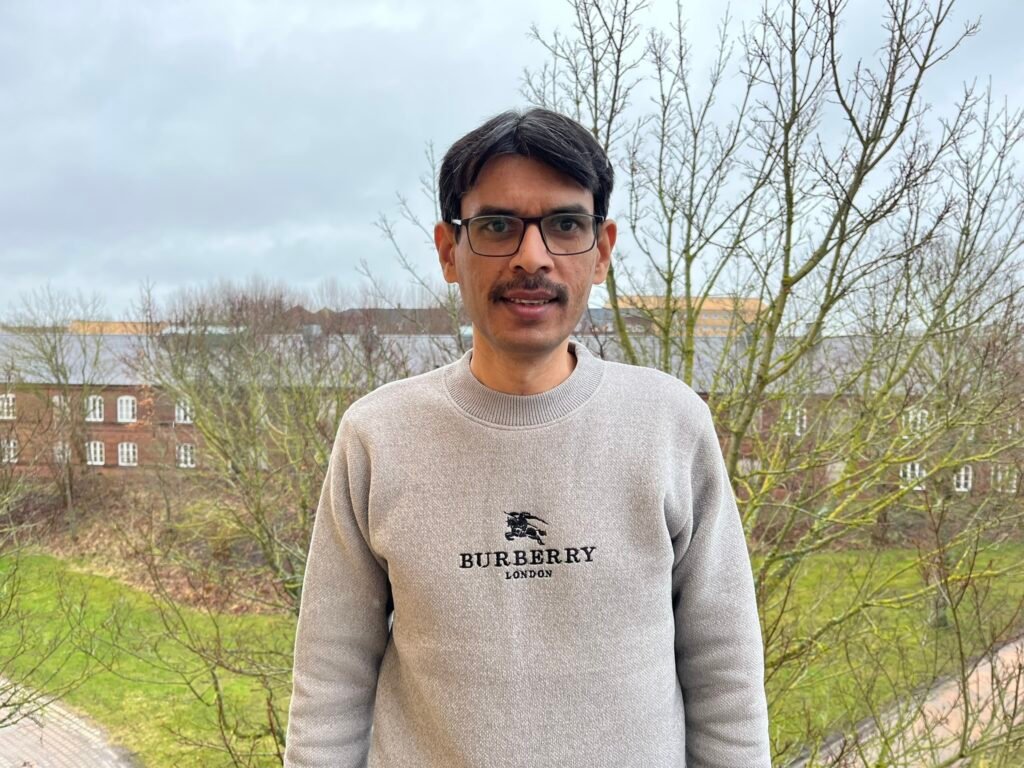
Humayun Irshad, M.Sc.
Humayun Irshad is currently a Ph.D. student. He has completed his Master’s degree from University of Management and Technology, Lahore, Pakistan in 2016. His research was centered around the grafting of polymers like starch with acrylic acid and the incorporation of Ni nanoparticles for antibacterial activity. Now, he is working on the synthesis and functionalization of different metal organic framework (MOF) materials to develop an electrocatalyst for different electrochemical reactions such as the hydrogen evolution reaction (HER), oxygen evolution reaction (OER) and electrochemical CO2 reduction reactions (eCO2RR).
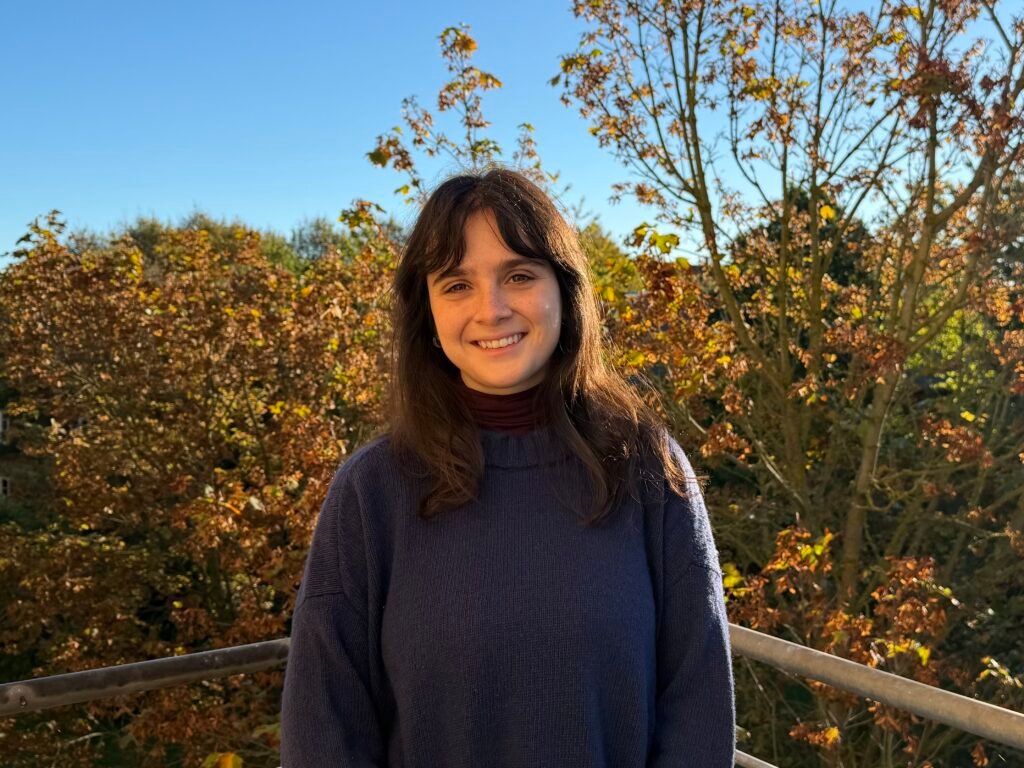
Antonella Rosati, M.Sc.
Antonella is a Ph.D. visiting student form University of Padova (Italy) where she is pursuing her research in the Molecular Electrochemistry and Nanosystems Group, under the supervision of prof. Sabrina Antonello. Her project is focused on developing heterogenous metal-organic catalysts for the electrochemical CO2 reduction towards the production of high-valued compounds. Here, in Prof. Daasbjerg’s group, she is focusing on the investigation of the mechanisms that govern the constitution and performance of the these catalysts.
Contact
Daasbjerg Group
Novo Nordisk Foundation CO2 Research Center (CORC)
Aarhus University
Contact information for Prof. Kim Daasbjerg
Email: kdaa@chem.au.dk